
Original price was: $5.00.$3.60Current price is: $3.60.
- Prompt service, every time.
- 100% High-Quality Guarantee
- Experience the Best Quality
- No Compromise on Quality

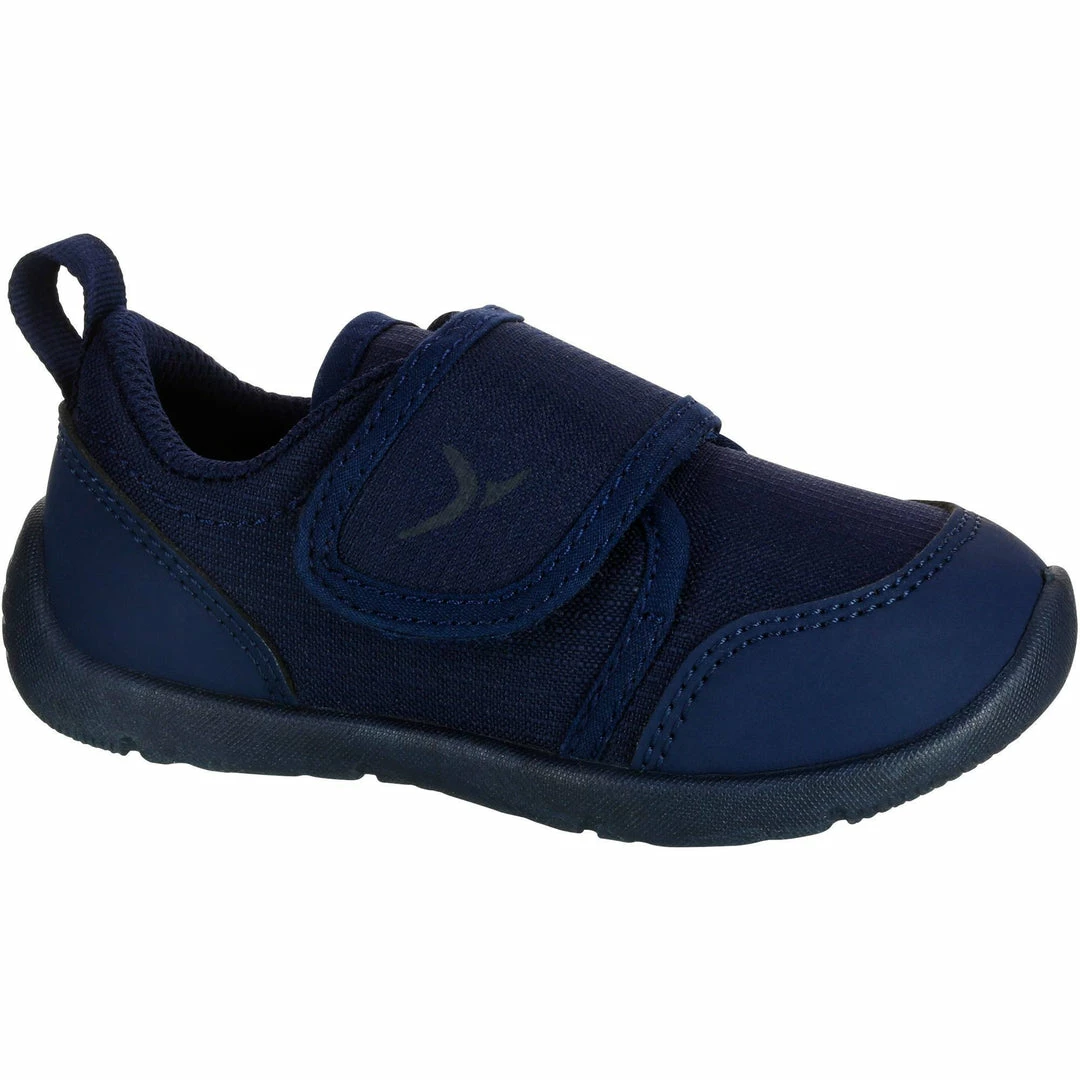
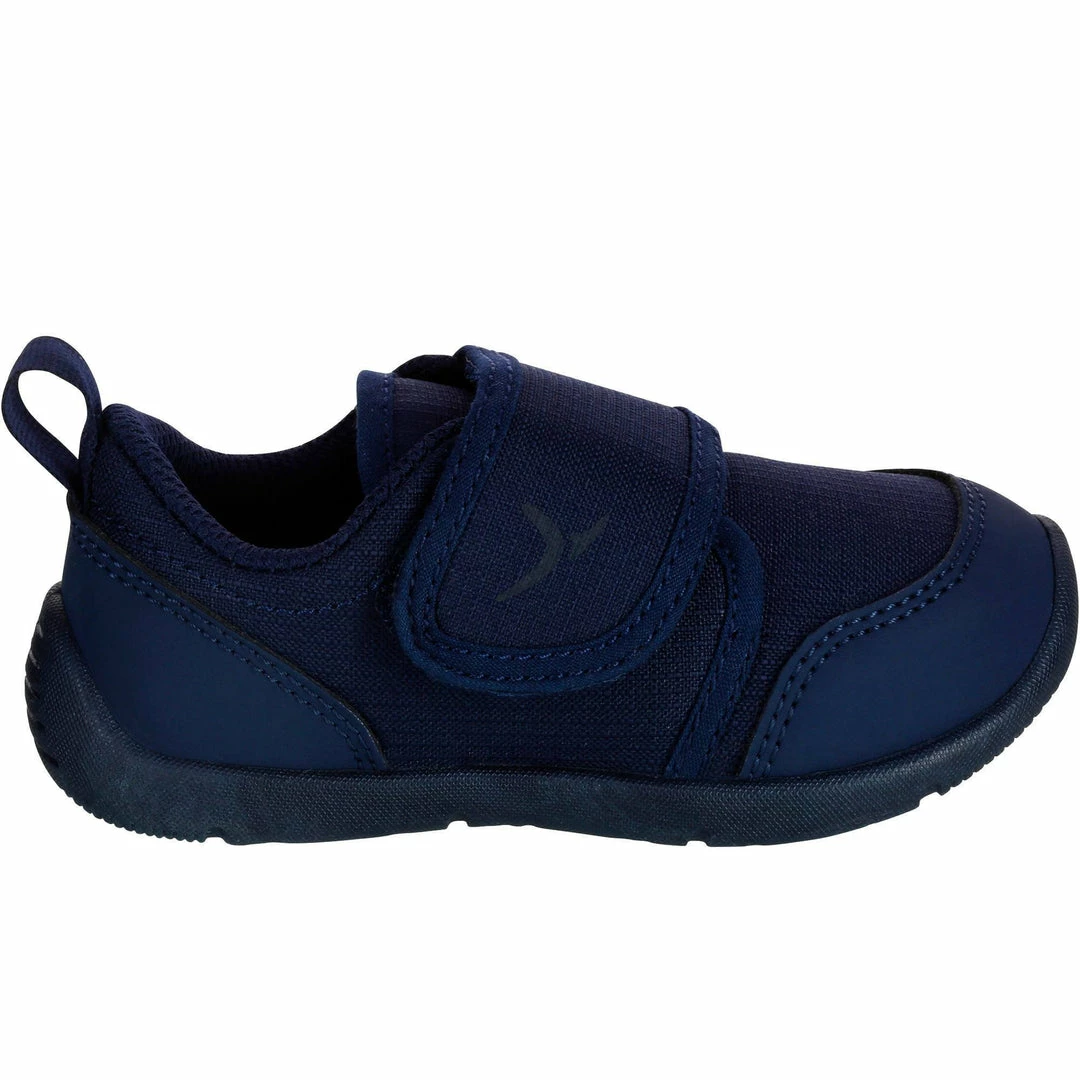
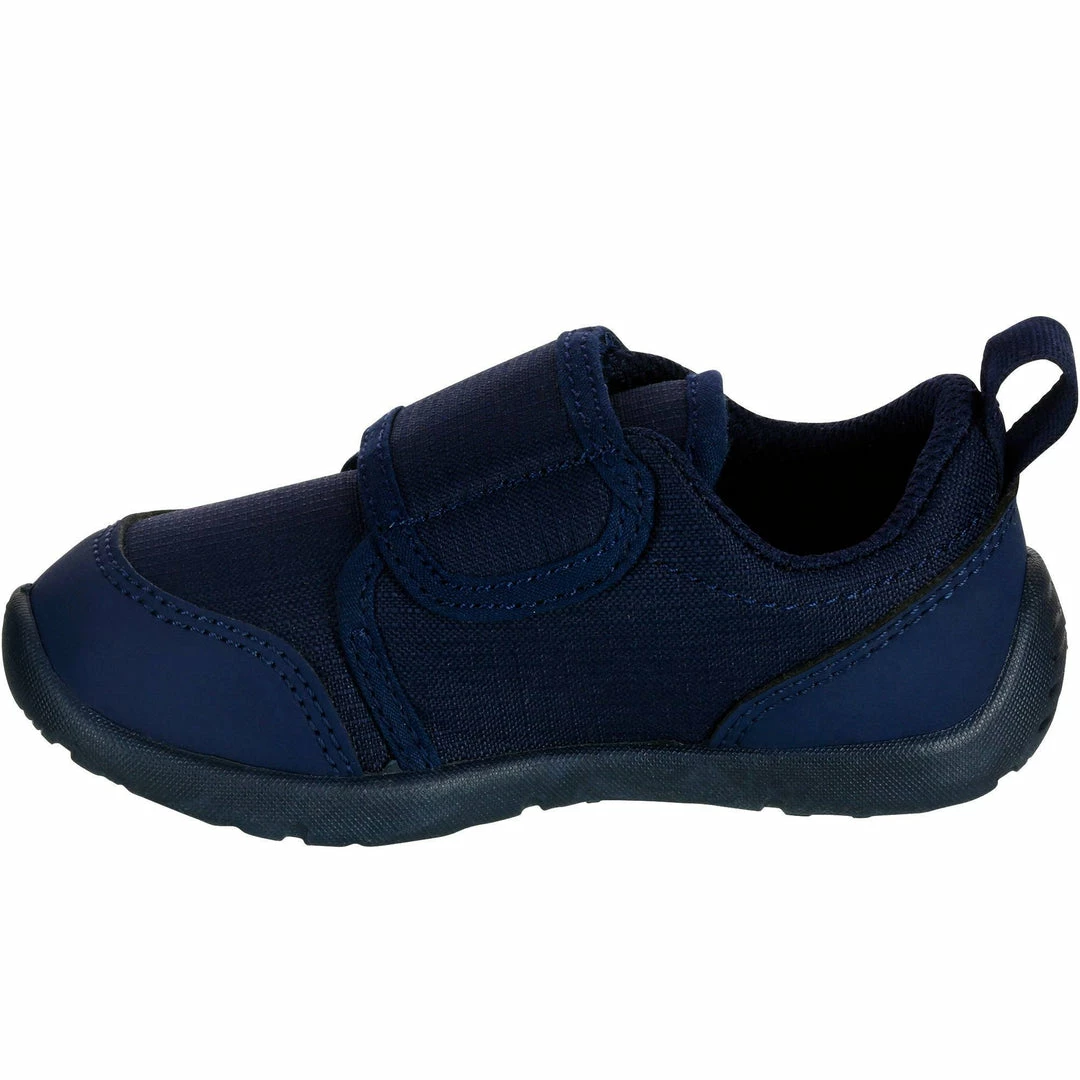
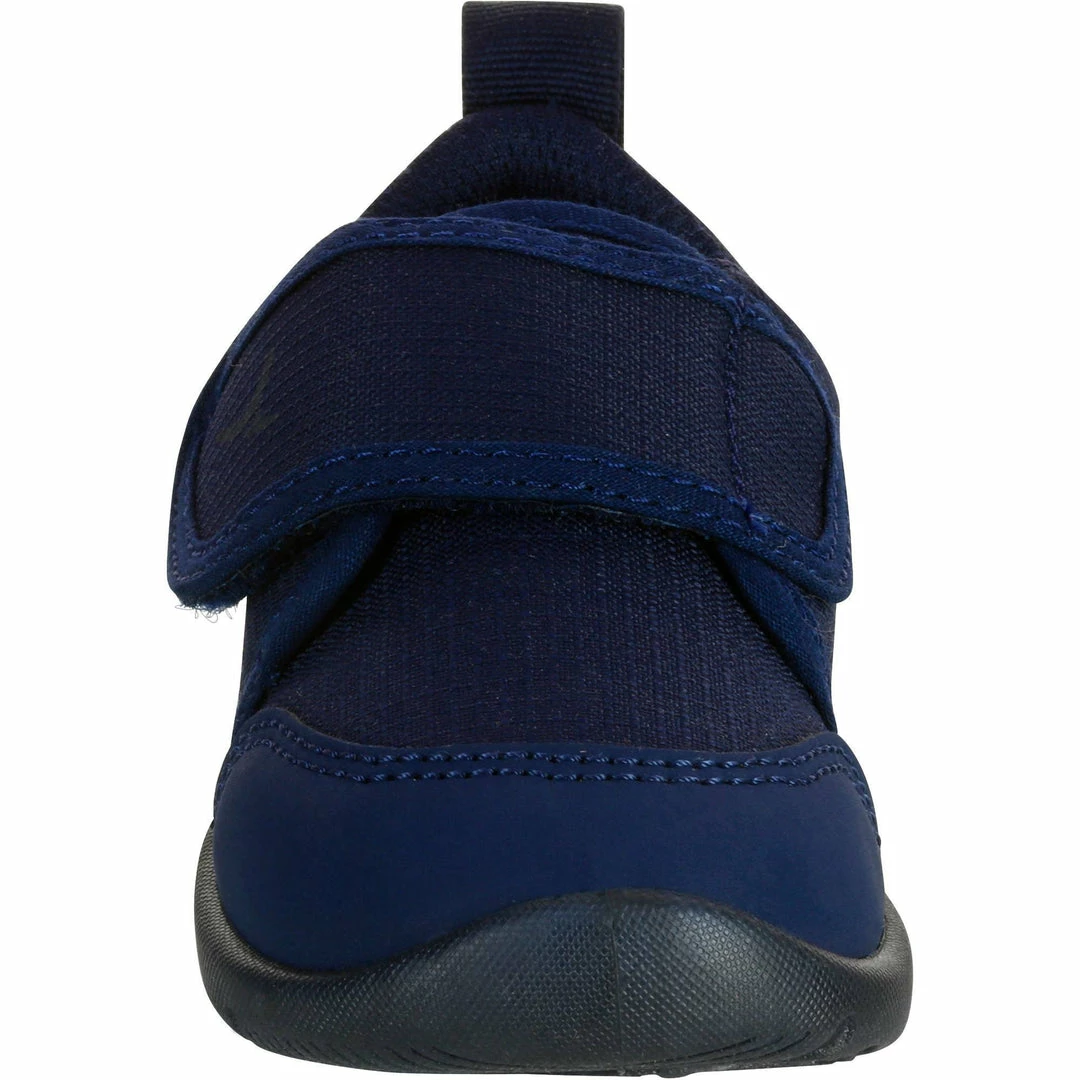
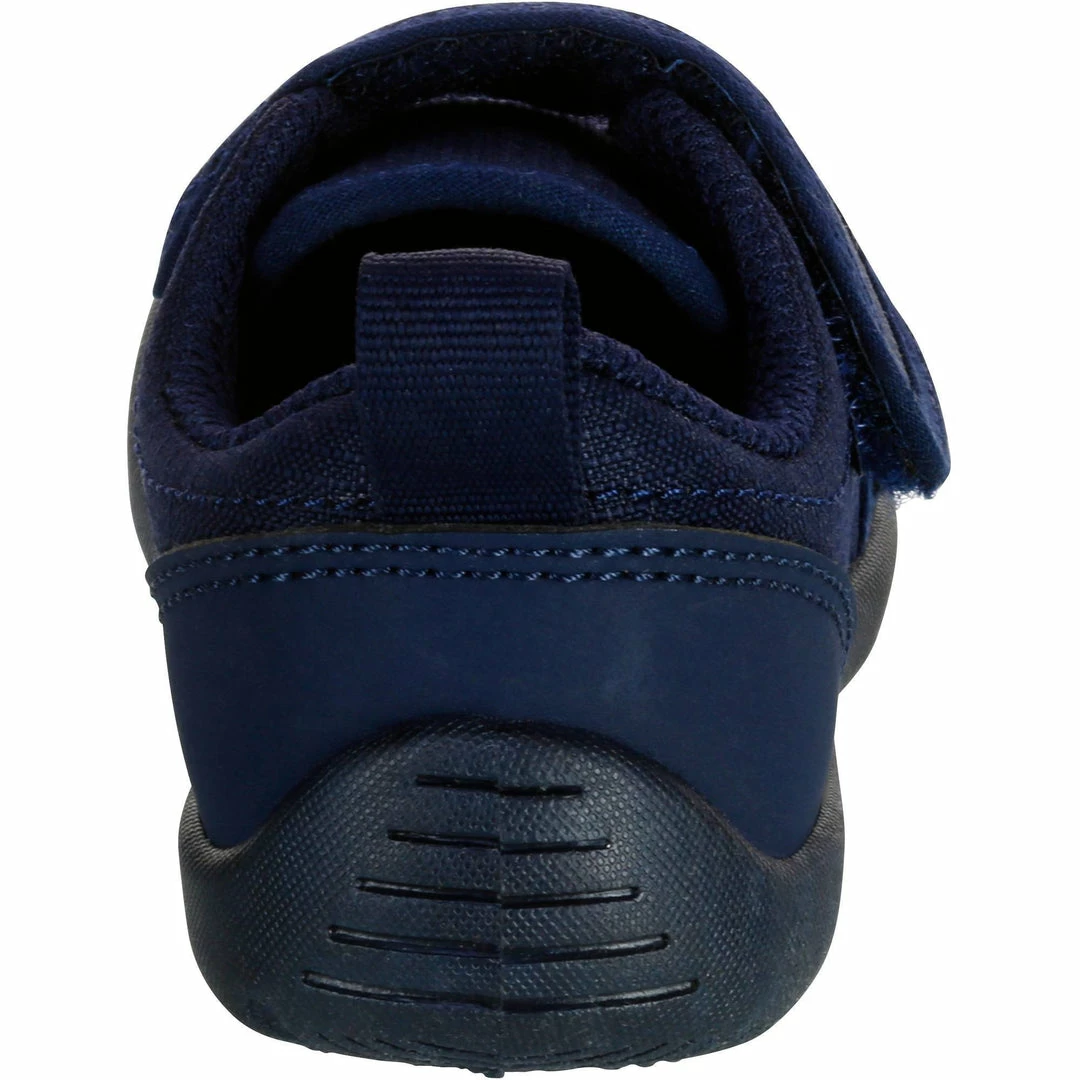
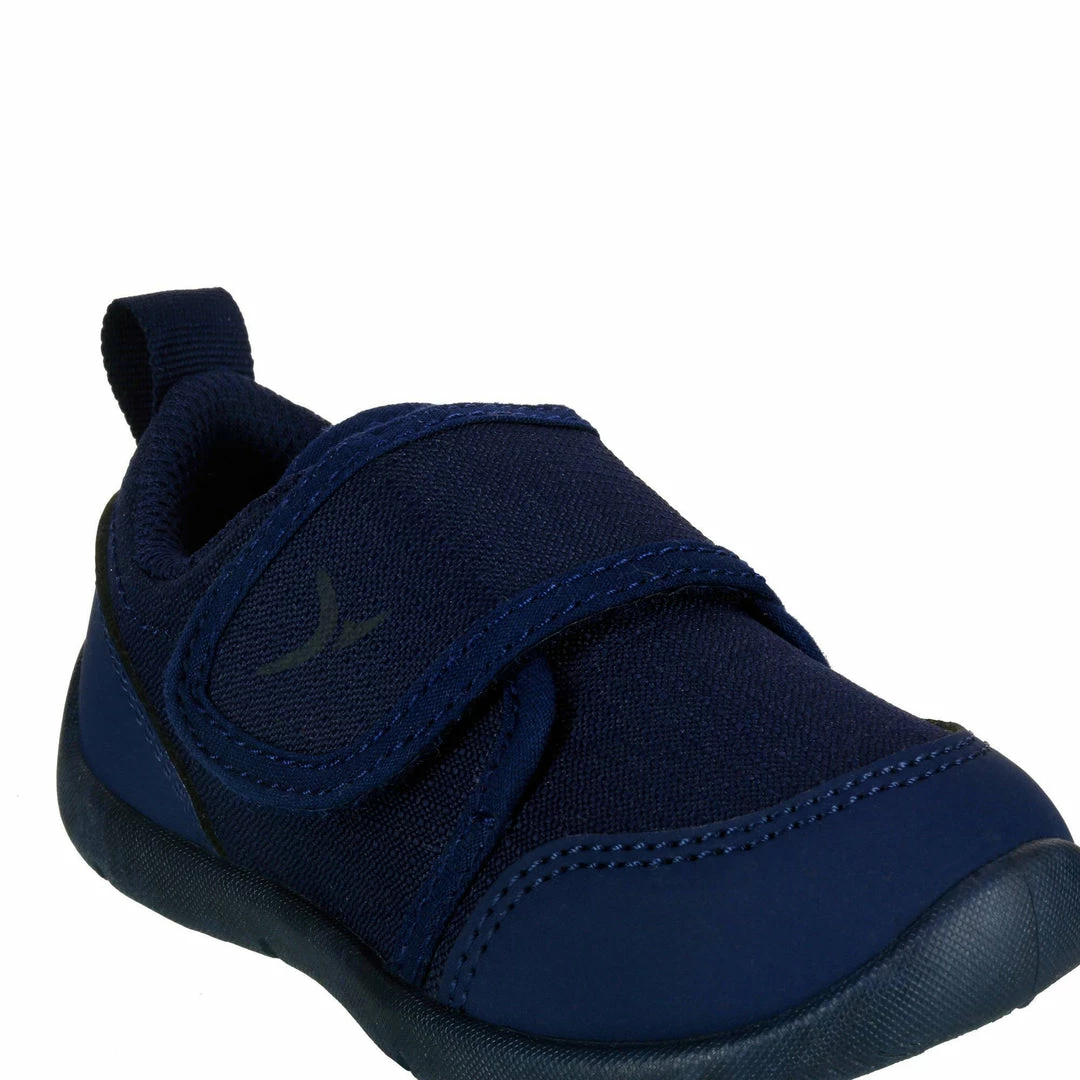
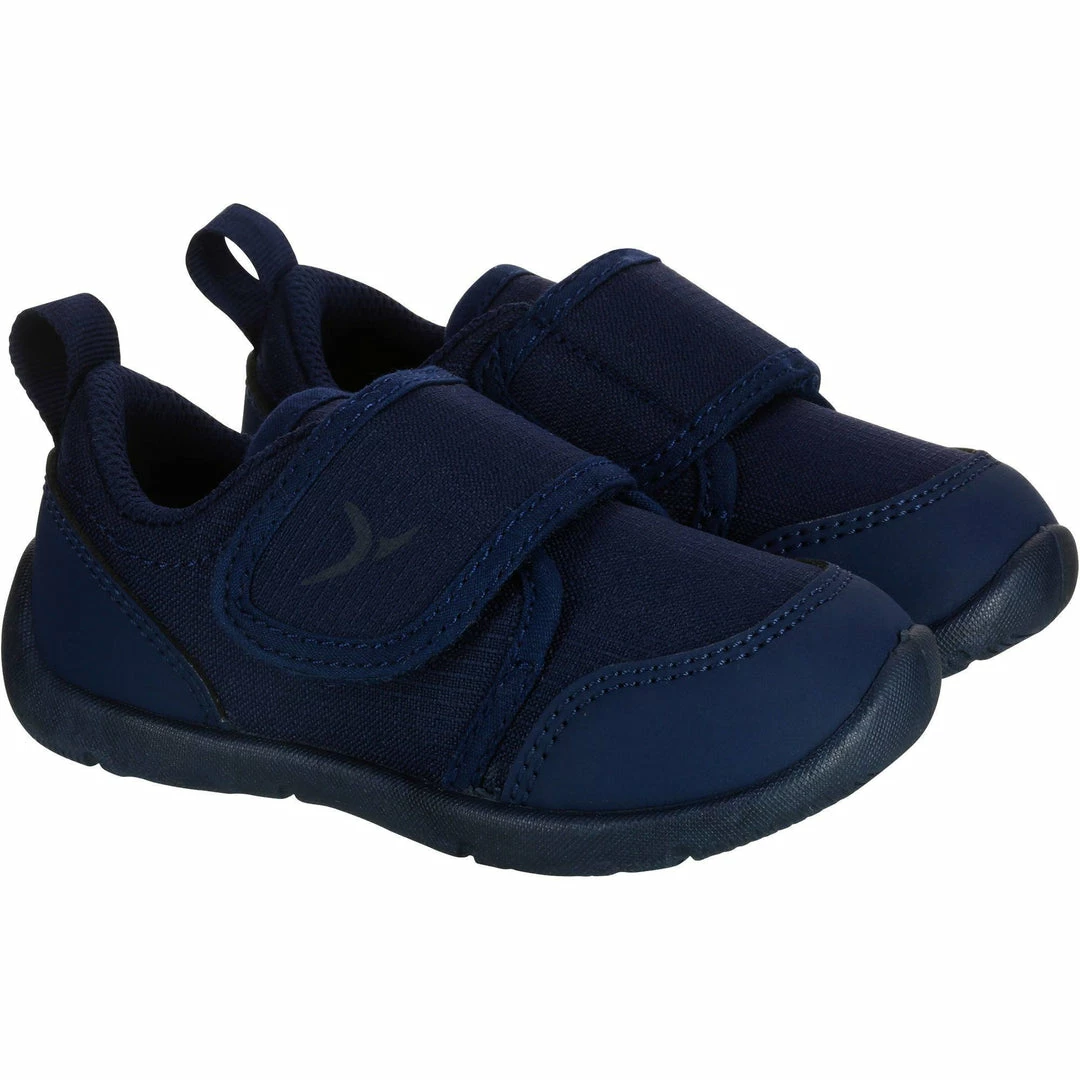
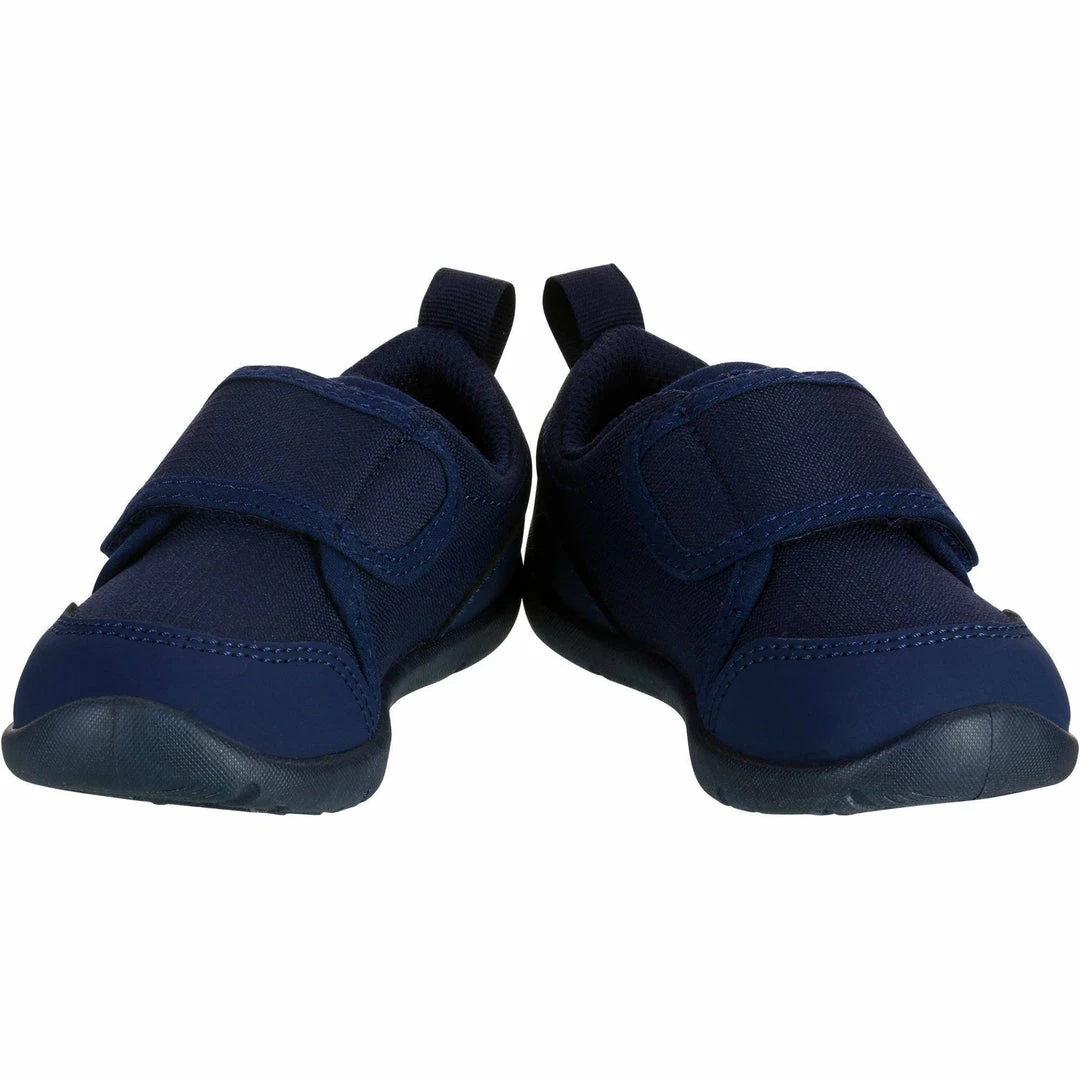
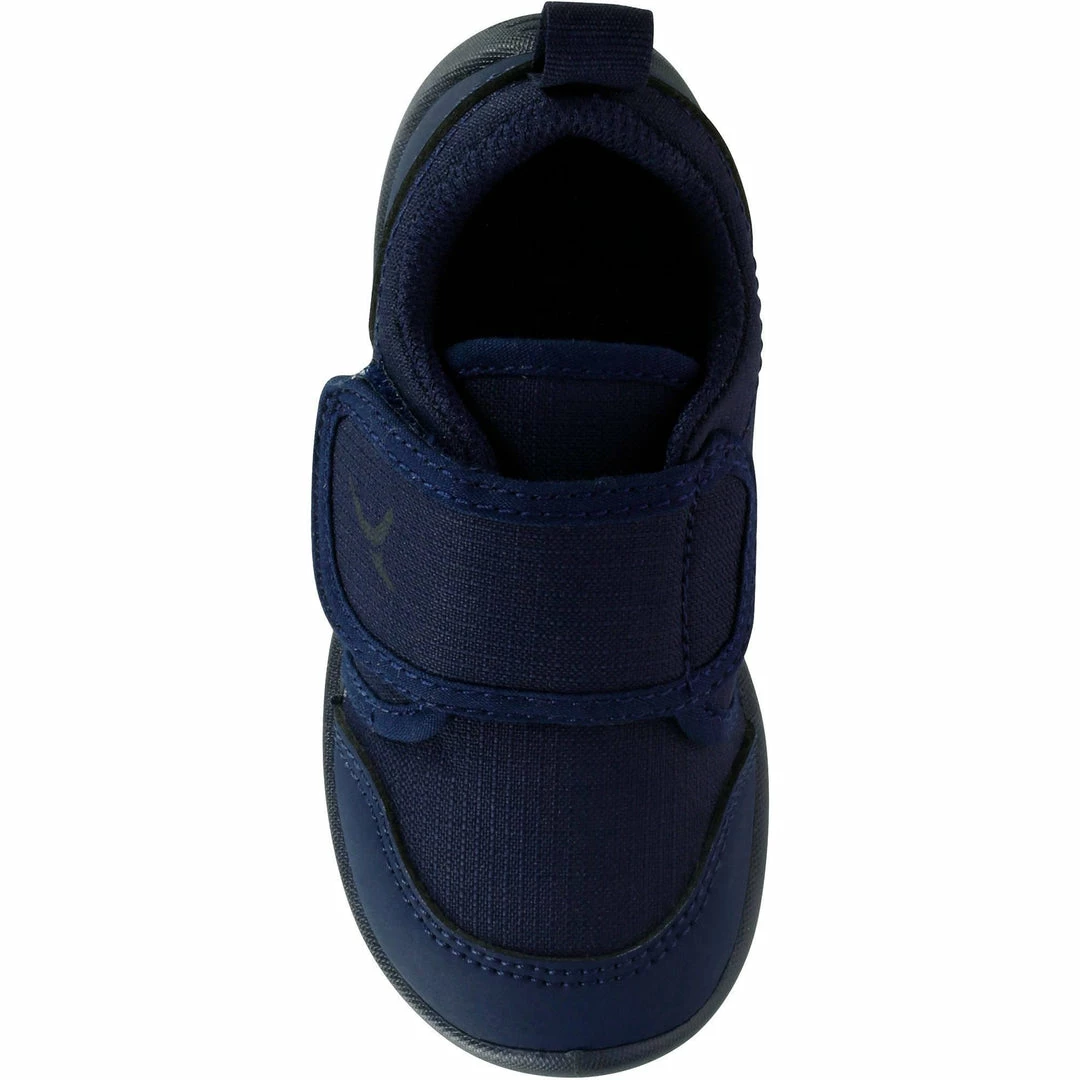
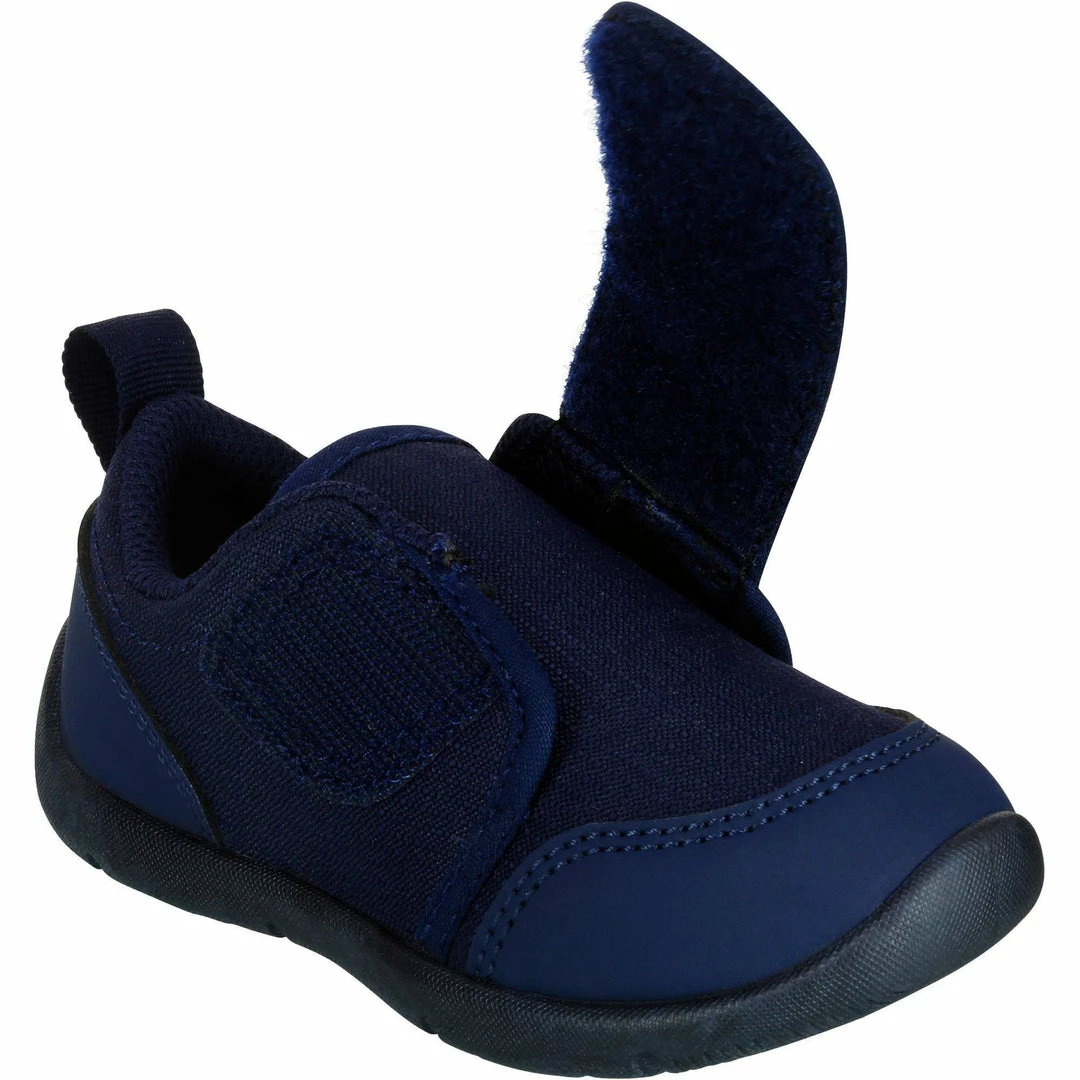
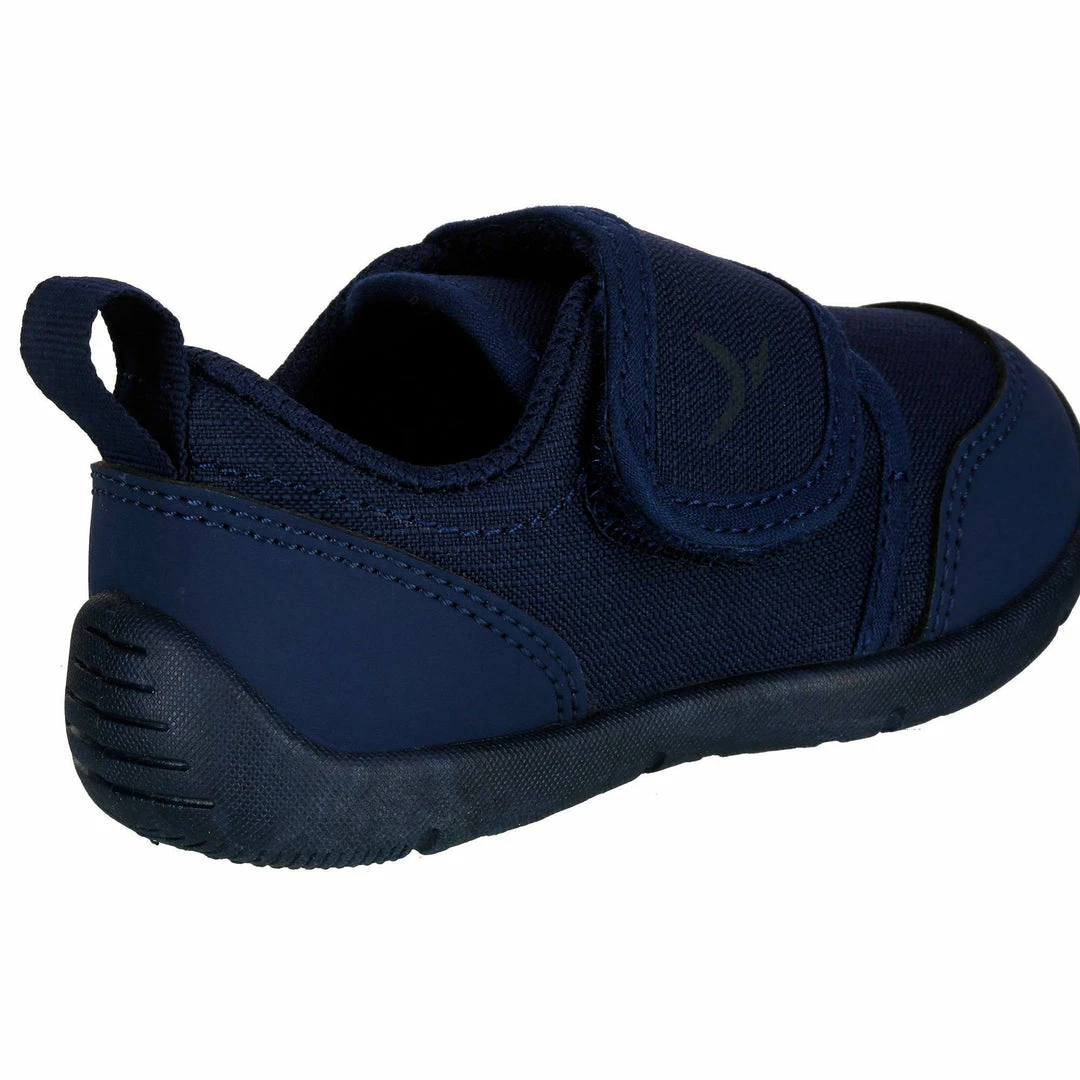
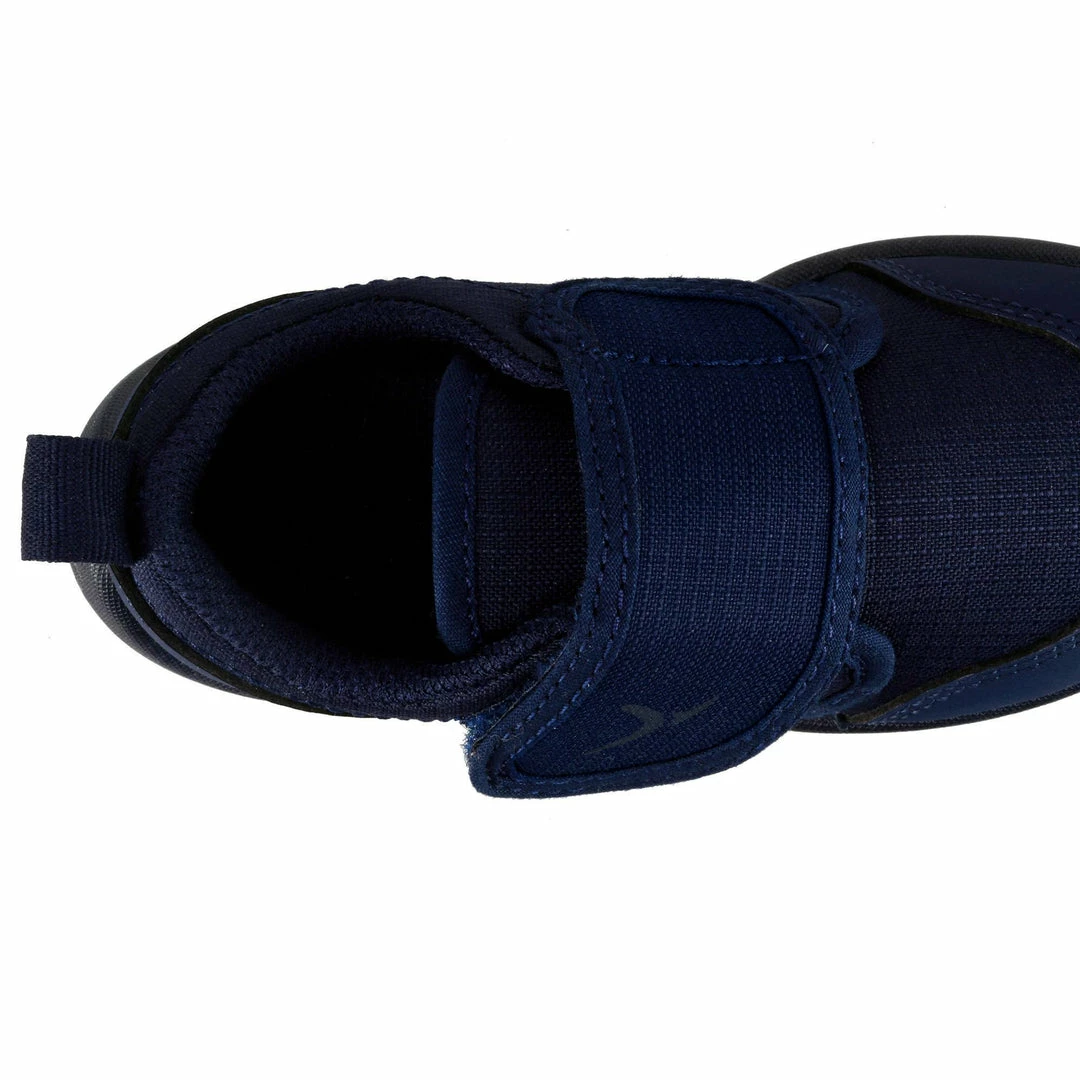
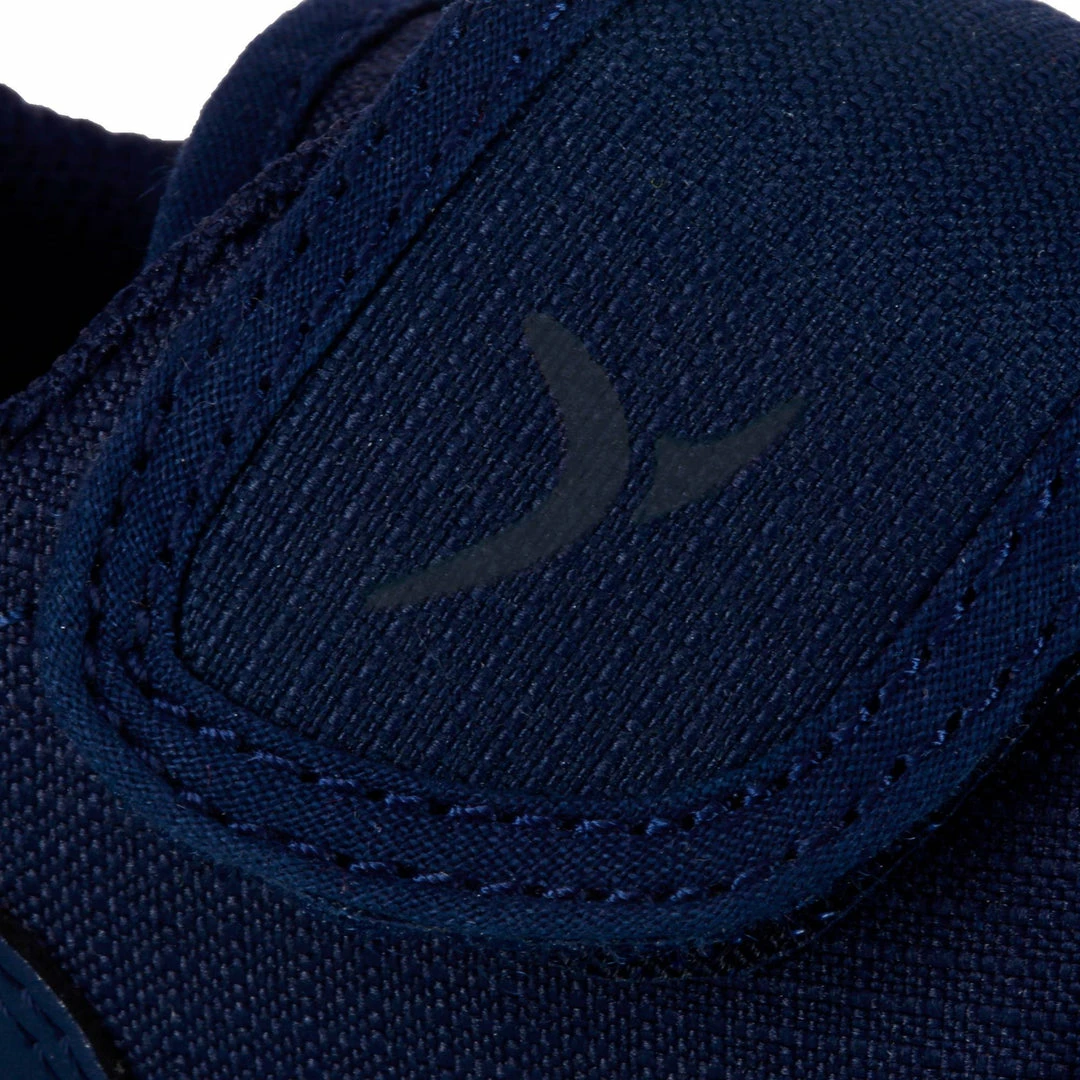
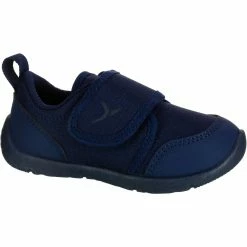
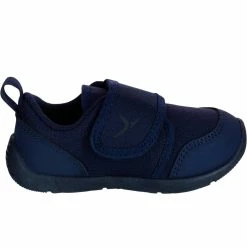
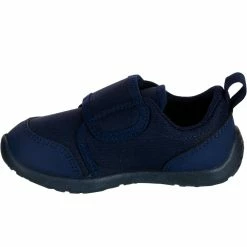
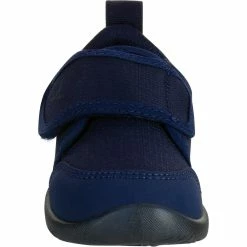
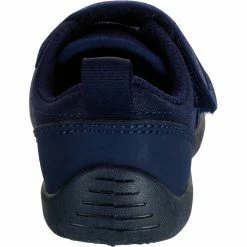
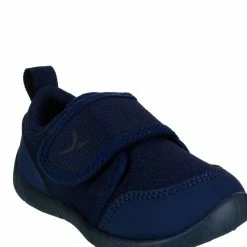
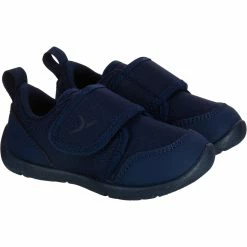
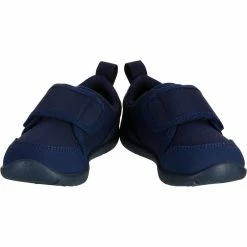
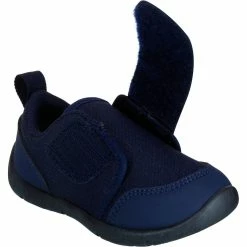
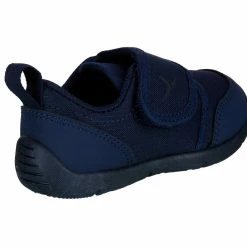
Lightweight shoes designed especially for children: very flexible and heel support. Easy to put on: rip-tab, pull-tab, left/right foot markers.
Baby Gym.
Shoes designed for children’s feet:
Between the ages of 1 and 6, feet play an important role in a child’s growth and development. Our shoes meet the specific needs of children’s feet during the different development phases.
Choosing the right shoes for your child
From 1 to 2 years (sizes 4.5C to 7.5C / EU 20 to 24): starting to learn to walk. Feet are flat, round and chubby: Our I LEARN shoes are extremely flexible to support children’s natural development. From 3 to 6 years (sizes 8.5C to 12.5C / EU 25 to 30): walking, running and jumping improves. The feet get stronger and more slender, with the arch beginning to form: our I Move shoes are flexible and support the heel
Characteristics of children’s feet at ages 1 to 2
Feet don’t need shoes to develop. But shoes are important for protecting feet from the cold, damp and impacts, whether indoors or out. The Domyos I Learn shoes provide children aged 1 to 2 years with the protection they need, while leaving them as free as possible to move about. The shoes’ flexibility lets feet develop naturally, while the thin, flat, supple sole is as close as can be to walking barefoot
Choosing the right size
It is between the ages of 1 and 3 that children’s feet experience their biggest growth spurt. Be sure to check your child’s shoe size on a regular basis using our foot gauges. You can find them in our stores or on our website in the “which size?” section.
Arch support or not?
At the start of our lives, we naturally have flat feet. From the moment we learn to walk, our arches gradually begin to form as our foot muscles develop. This is why children do not need arch support in their shoes when they are still growing (unless otherwise indicated by a healthcare professional).
The benefits of physical activity at a young age
Regularly doing physical activity from as young an age as possible is good for a child’s physical and mental development. It helps establish a good lifestyle habit that will reduce the risk of health problems later on in life. Furthermore, doing a group physical activity with others encourages social integration and contributes to a child’s personal development.
Physical and mental benefits
What are the physical benefits?
Encouraging the development of basic physical abilities (motor skills, balance and coordination)
Encouraging growth
Fighting obesity
What are the mental benefits?
Helping build self-confidence
Facilitating integration into social groups
Helping a child blossom as an individual
Improving their attention span
Doing Baby Gym
Do you know what baby gym is?
This fun gymnastic sport is available to children aged 10 months to 6 years and is done on specially designed equipment.
Baby gym helps children develop their motor skills through a range of exercises and actions.
It primes them for other sports.
The benefits of Baby Gym
Baby gym encourages psychomotor development in young children, in particular motor skills, coordination and balance. Balancing on gym equipment, jumping, rolling and climbing are all activities that will help your child become more self-sufficient and build their self-confidence.
Composition
Outer sole of : 100.0% Rubber – thermoplastic Upper of : 60.0% Polyester cationic, Upper of : 40.0% Polyurethane Lining and sock of : 100.0% Polyester cationic
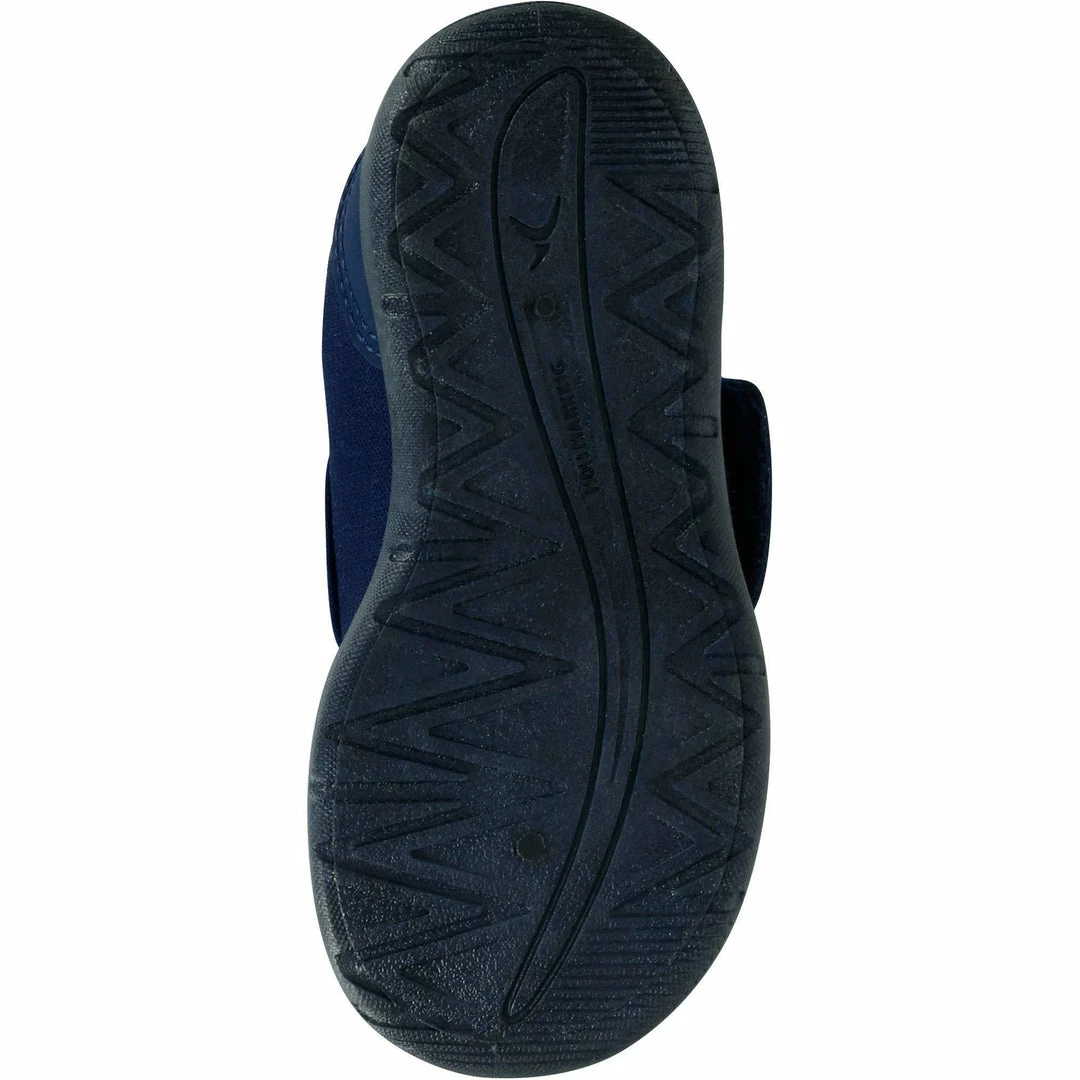
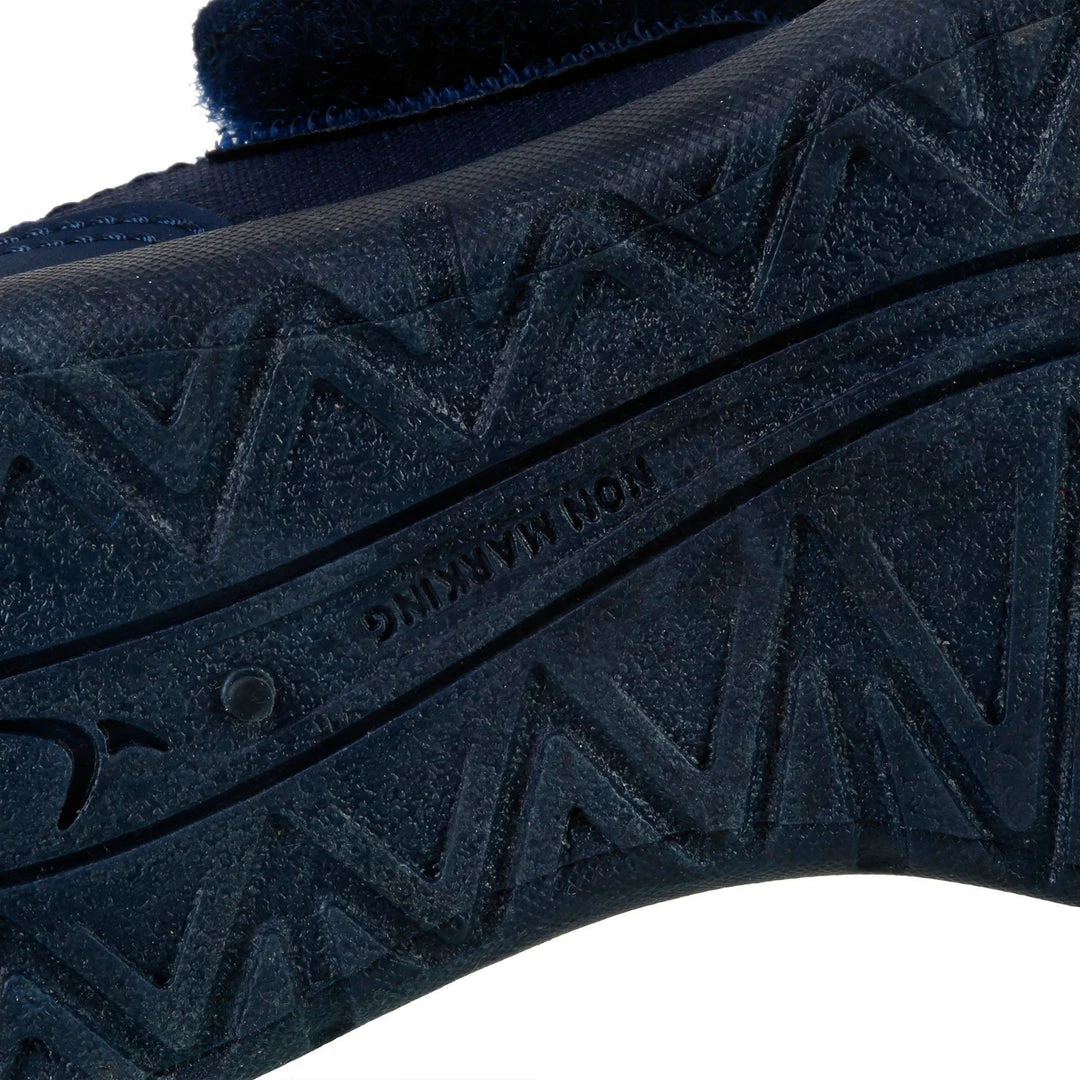
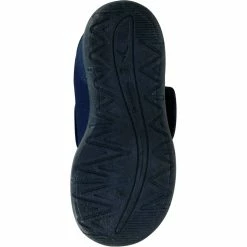
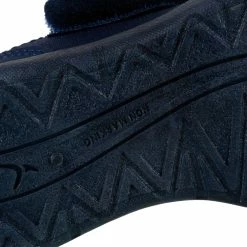
Flexibility : Supple outsole thanks to the flex grooves all along the foot.
Fit : Heel supported by a stiff insert and a raised outsole at the back
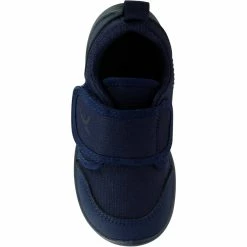
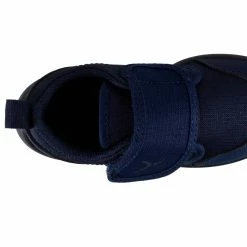
Easy to put on : Wide opening, wide rip-tab fastening, right/left foot markers.
Grip : Non-slip, non-marking outsole.
Lightweight : The shoe weighs just 85 g in baby size 5.
| Color | Navy Blue |
|---|---|
| Size | 7.5C, 7C, 6C, 5C, 4.5C |
Be the first to review “New 🤩 Domyos I Learn First 100, Gym 👟 Shoes, Babies’ Exercise & Fitness Apparel 🔔”
Related products
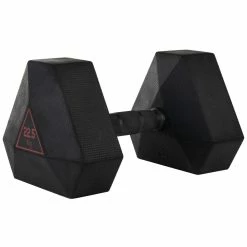
Weight Training Gear
Coupon ⭐ Corength Domyos Weight Training Hex Dumbbell 50 Lbs Weight Training Gear ⌛
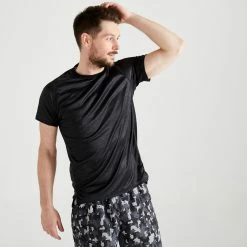
Exercise & Fitness Apparel
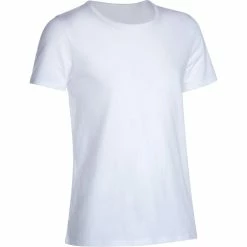
Cheap 🧨 Domyos Exercise & Fitness Apparel Men’ Fitness Cardio Training T-Shirt 120 🧨

Exercise & Fitness Apparel


Exercise & Fitness Apparel
Cheap 😍 Domyos Fleece-Lined 2-Piece Tracksuit, Boys’ Exercise & Fitness Apparel ❤️
Cardio Machines & Equipment
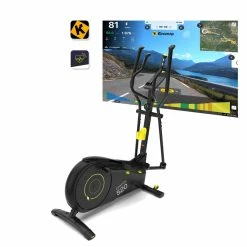
Best deal 🌟 Domyos EL520, Self-Powered Smart Connect Elliptical Exercise Machine 🌟
Weight Training Gear
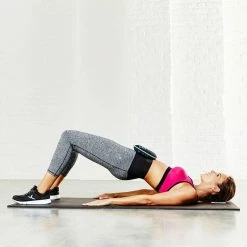
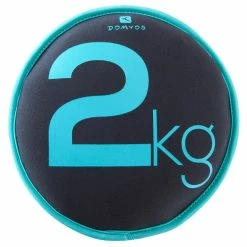
Best reviews of 🎉 Nyamba ToneDisc Flexible Dumbbells 4.4 Lbs Weight Training Gear 👏
Cardio Machines & Equipment
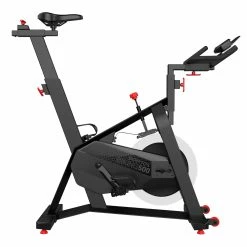
Top 10 🔔 Domyos 500 Training, Indoor Stationary Exercise Bike 😉
Cardio Machines & Equipment
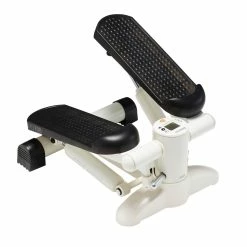
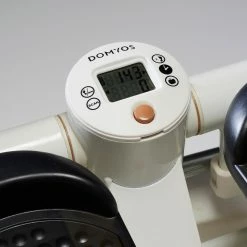
Coupon 😉 Cardio Machines & Equipment Domyos MS100, Mini Stepper With Monitor 🥰
Reviews
There are no reviews yet.