

Original price was: $50.00.$39.50Current price is: $39.50.
- Prompt service, every time.
- 100% High-Quality Guarantee
- Experience the Best Quality
- No Compromise on Quality

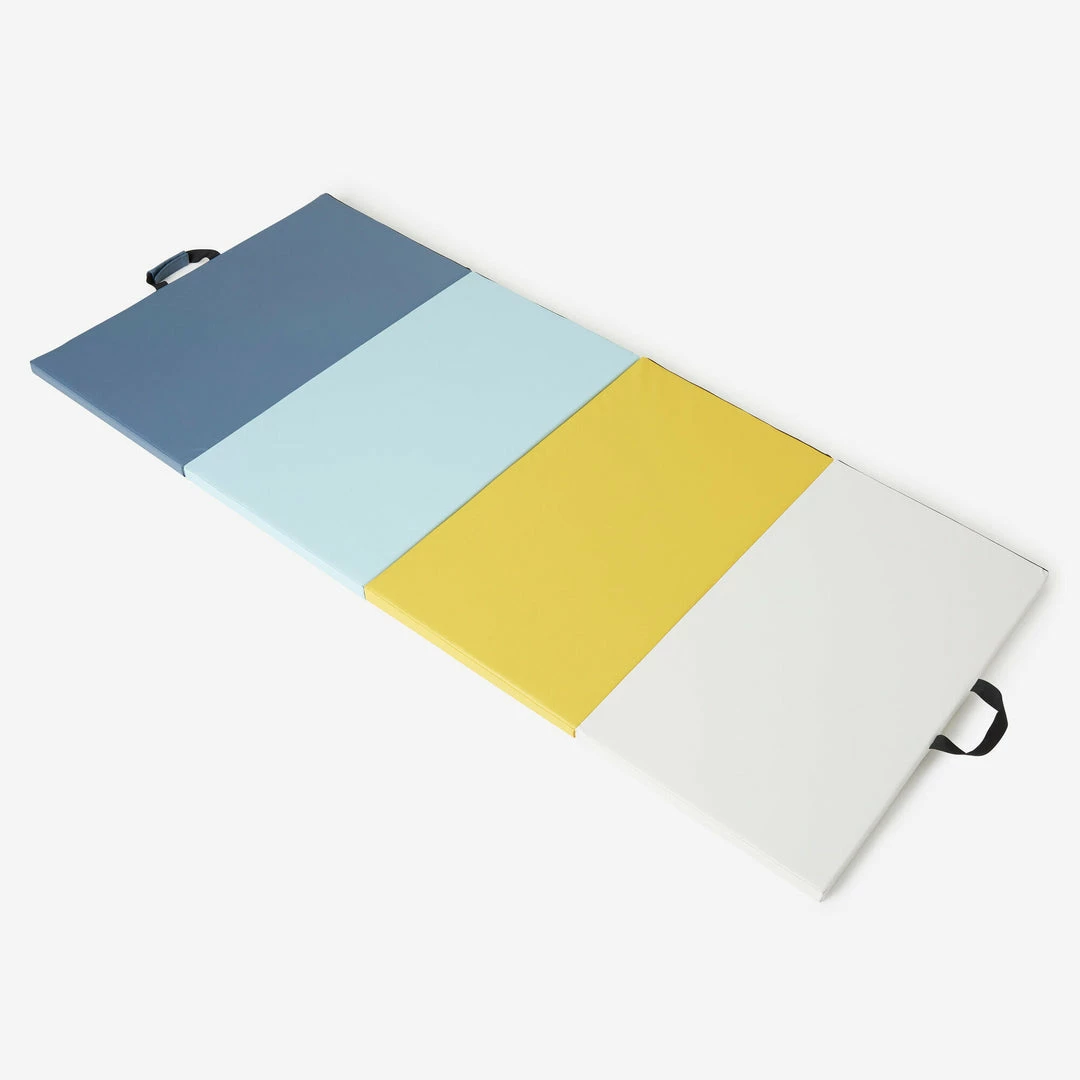
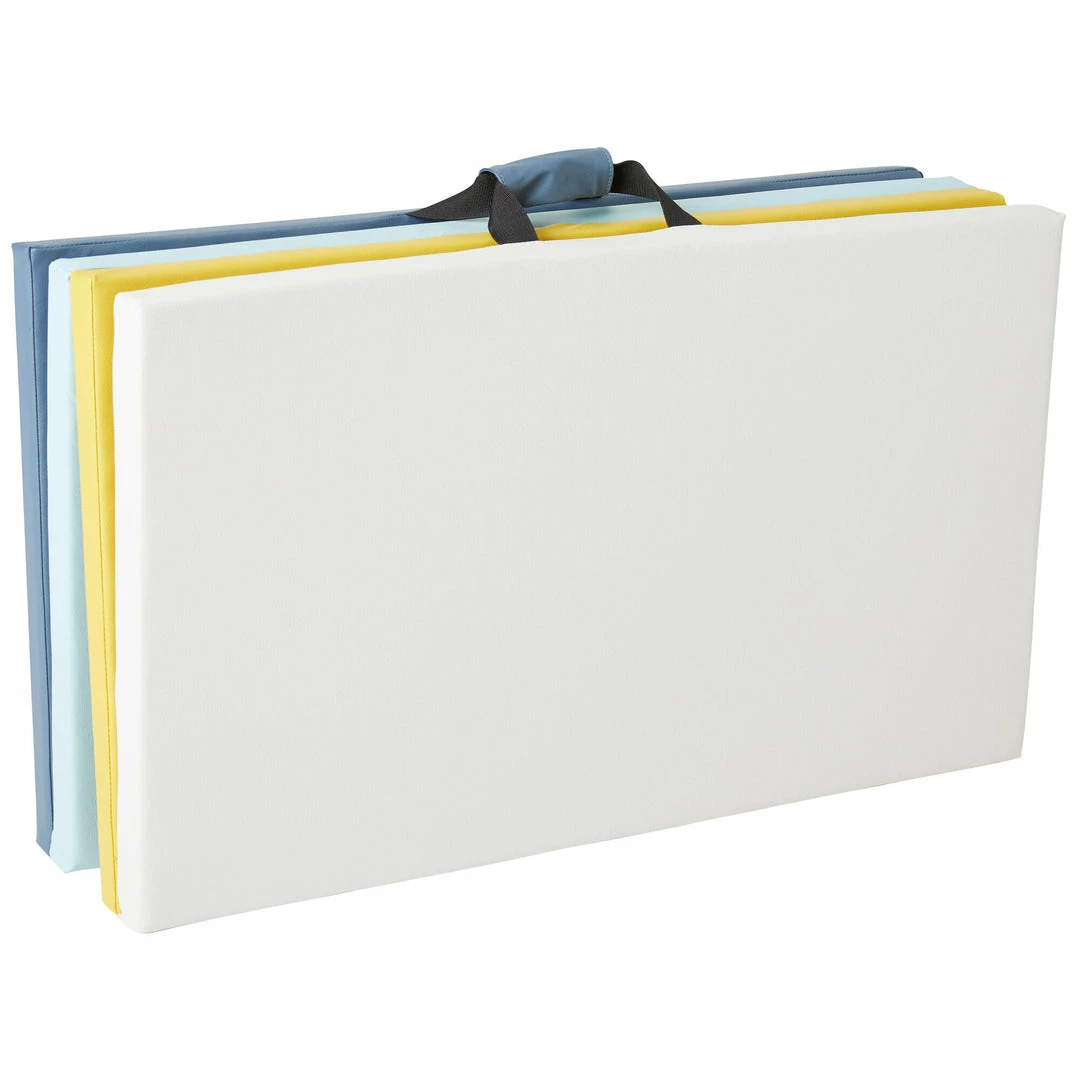
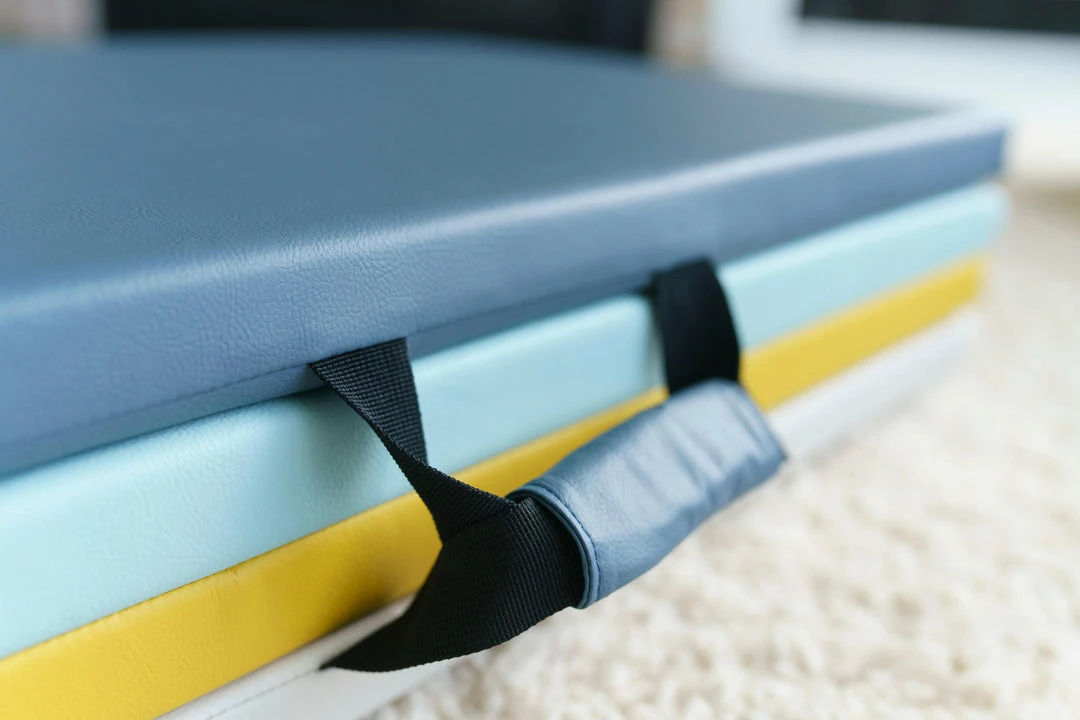
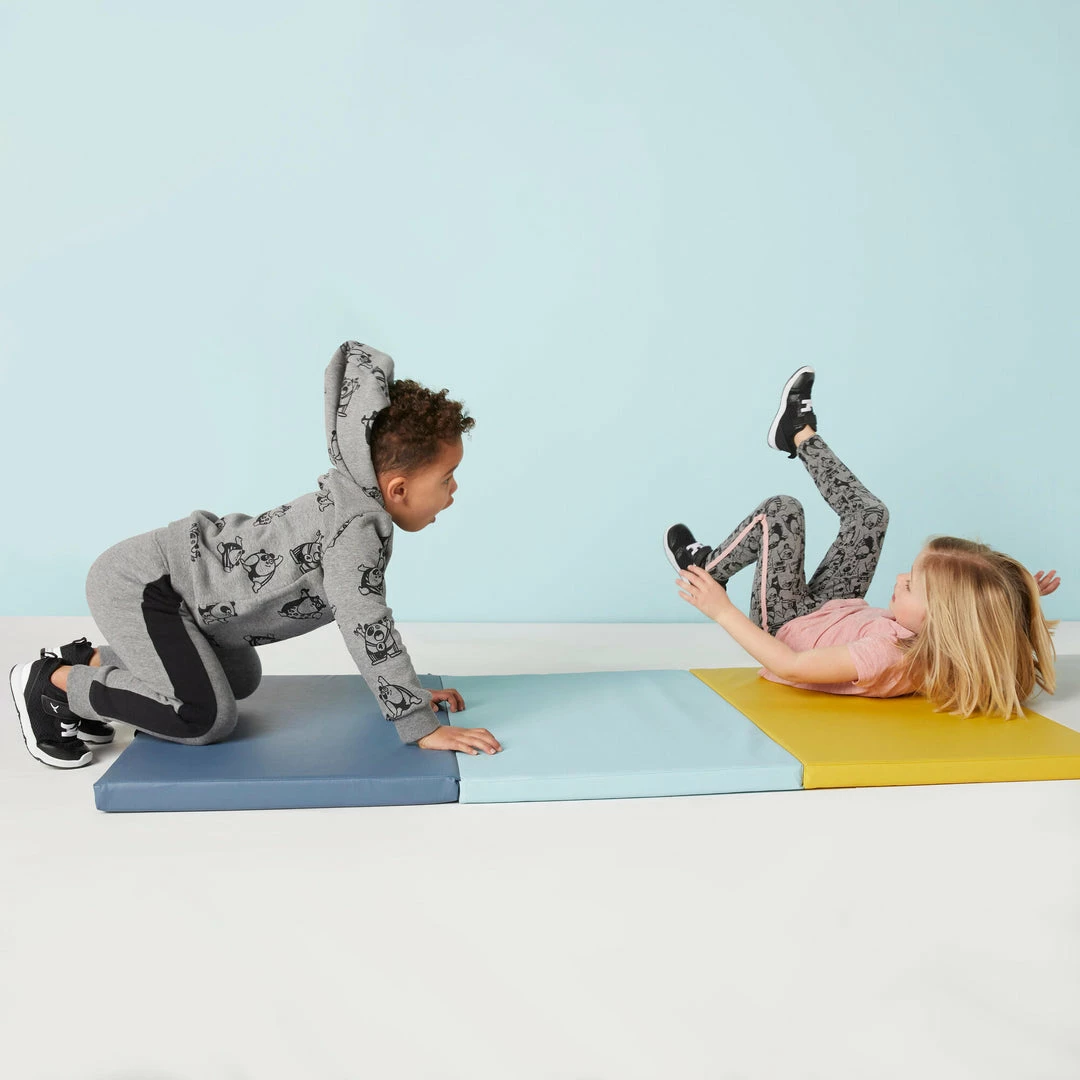
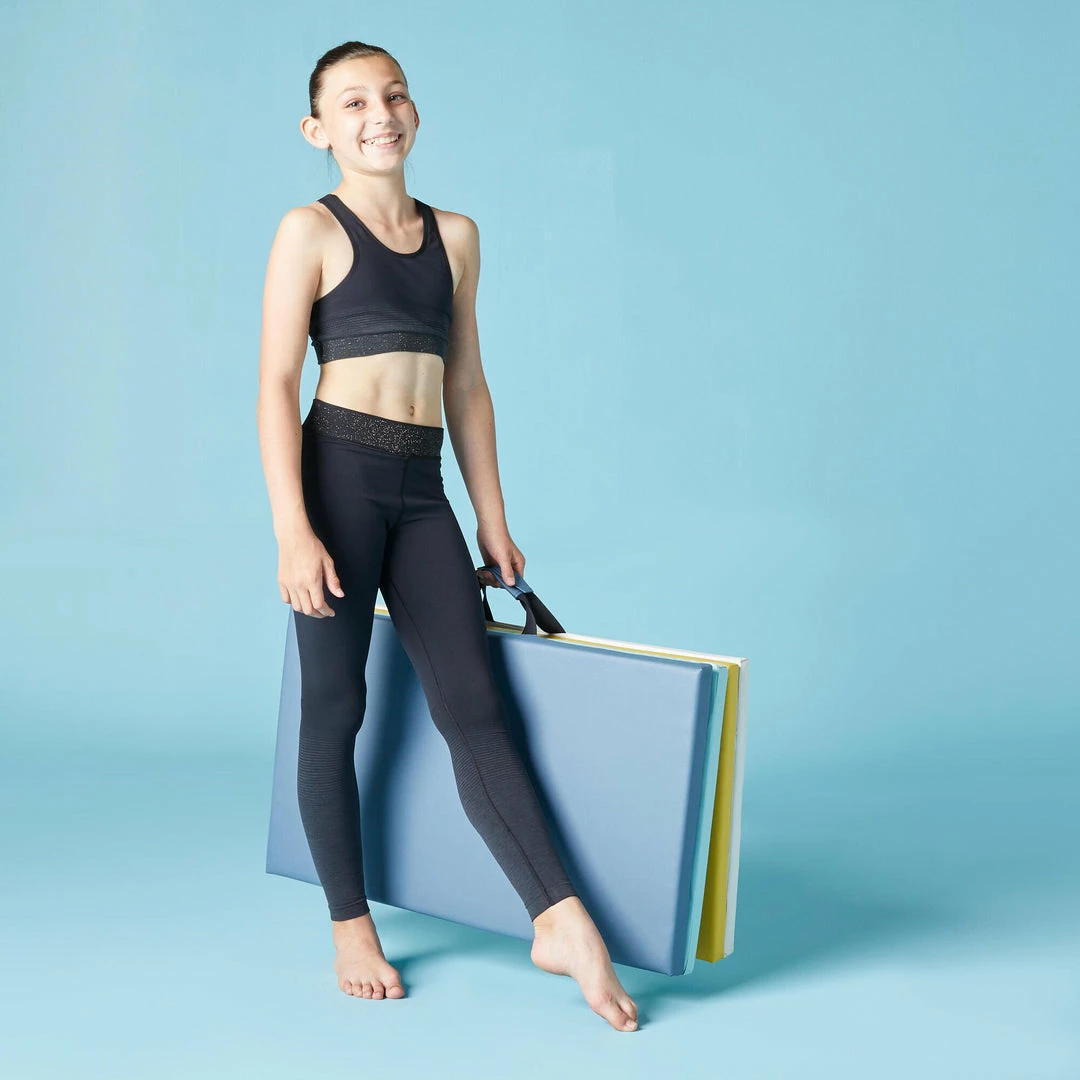
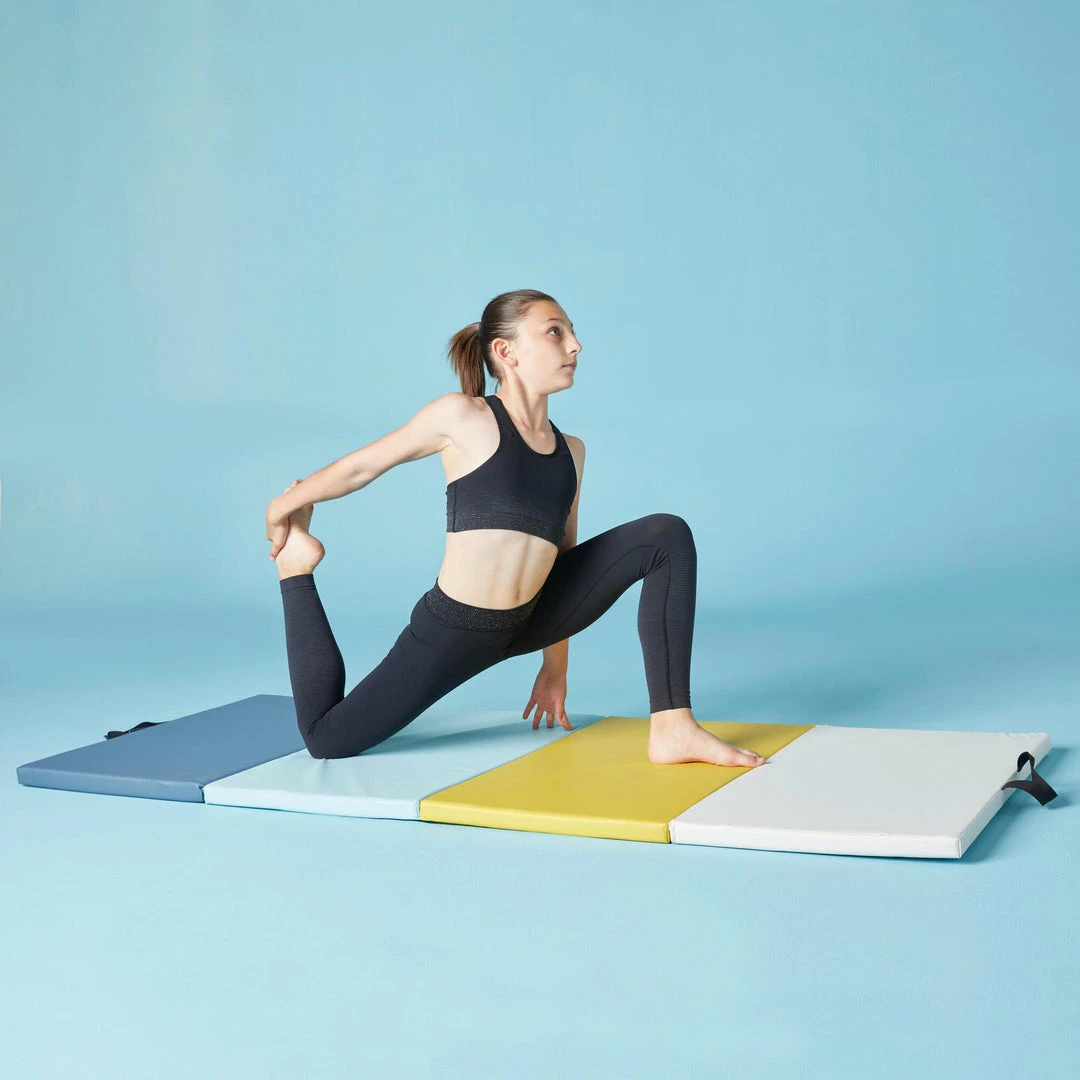
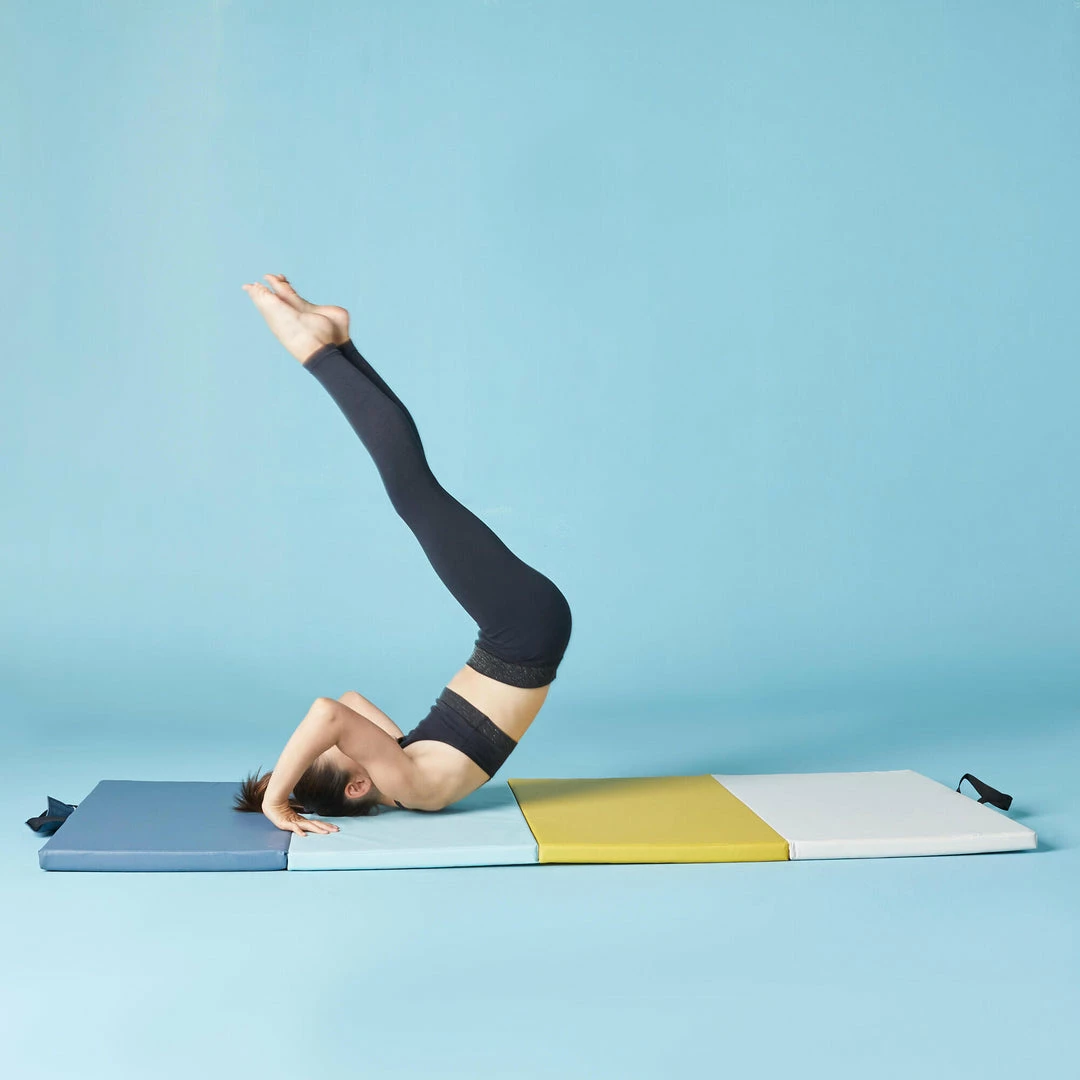
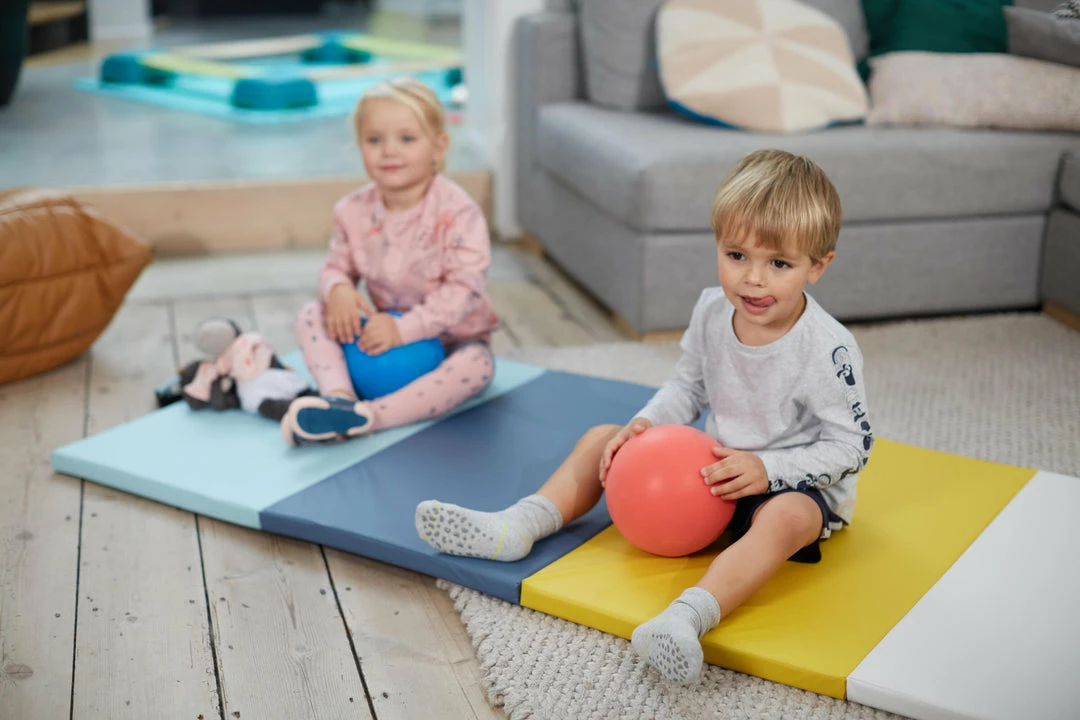
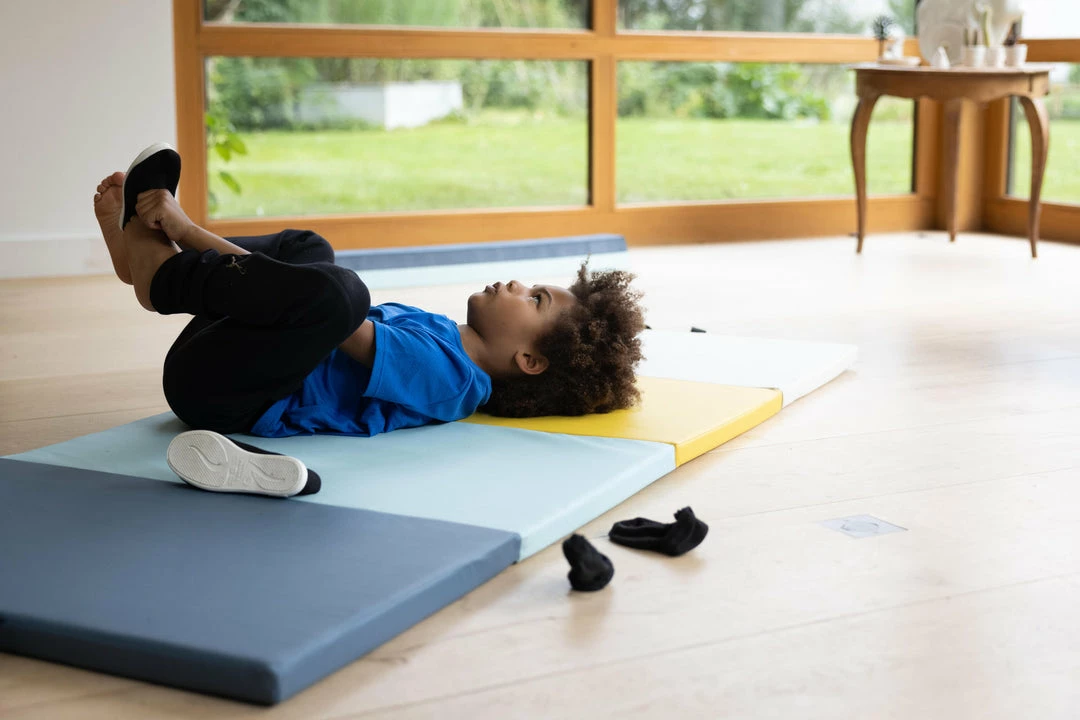
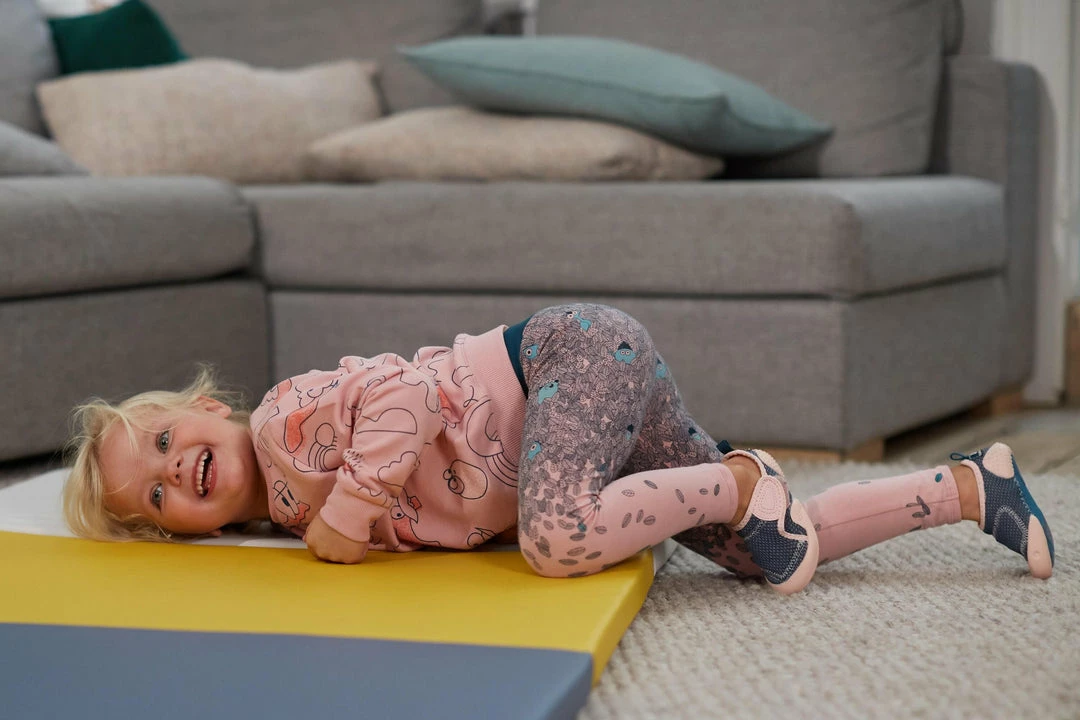
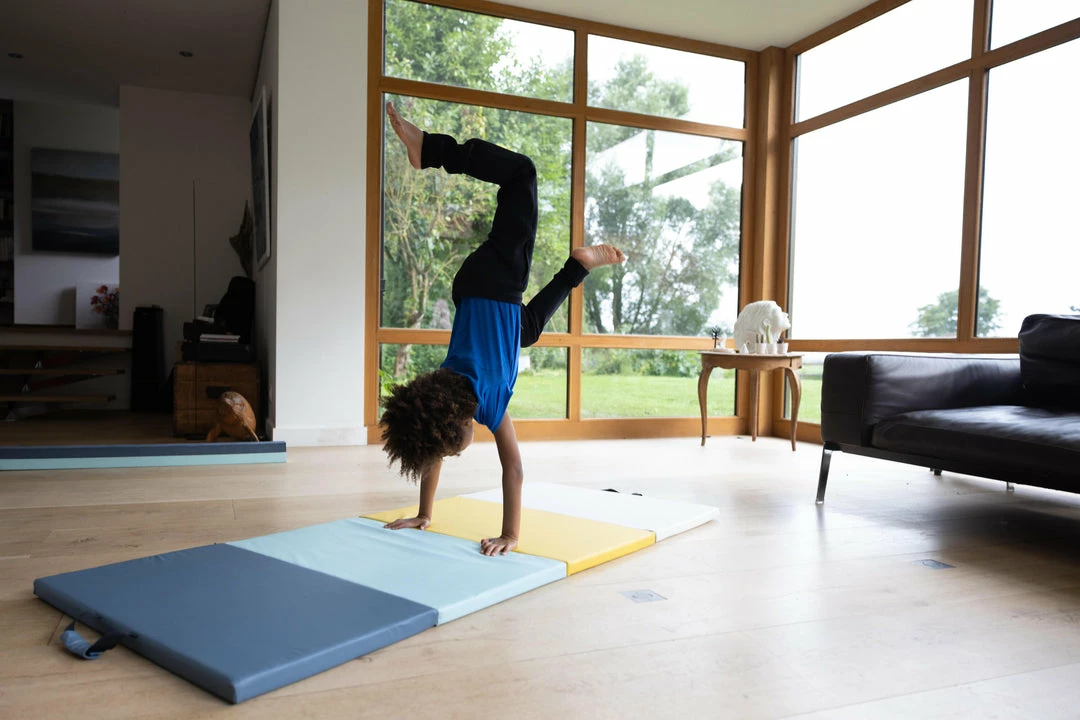
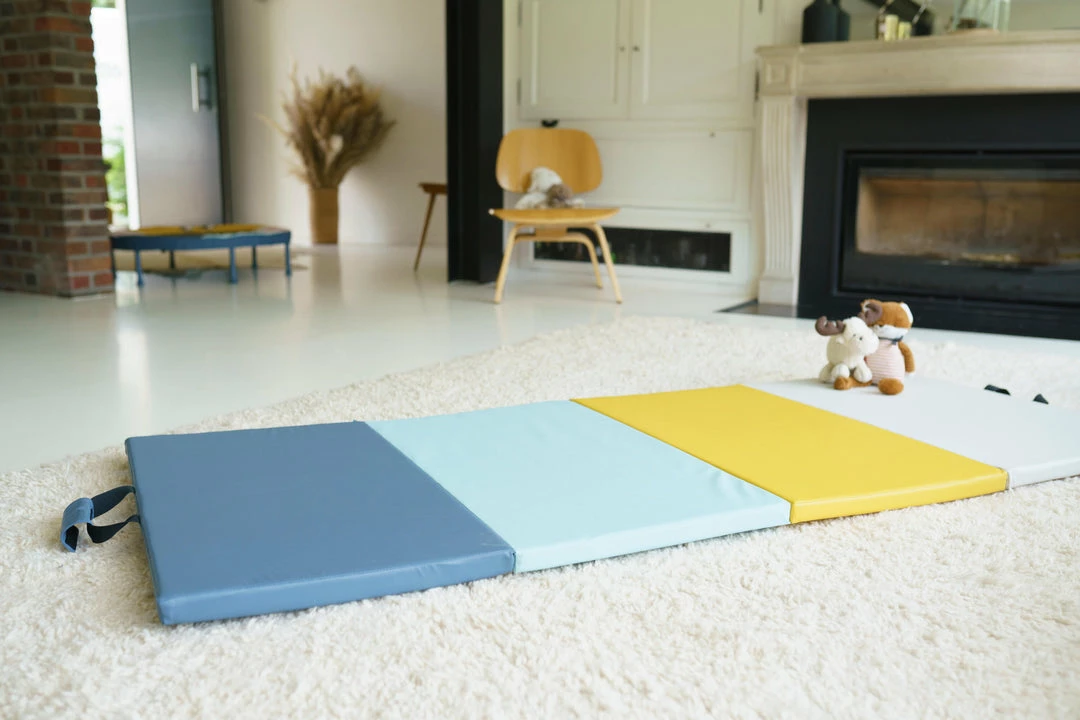
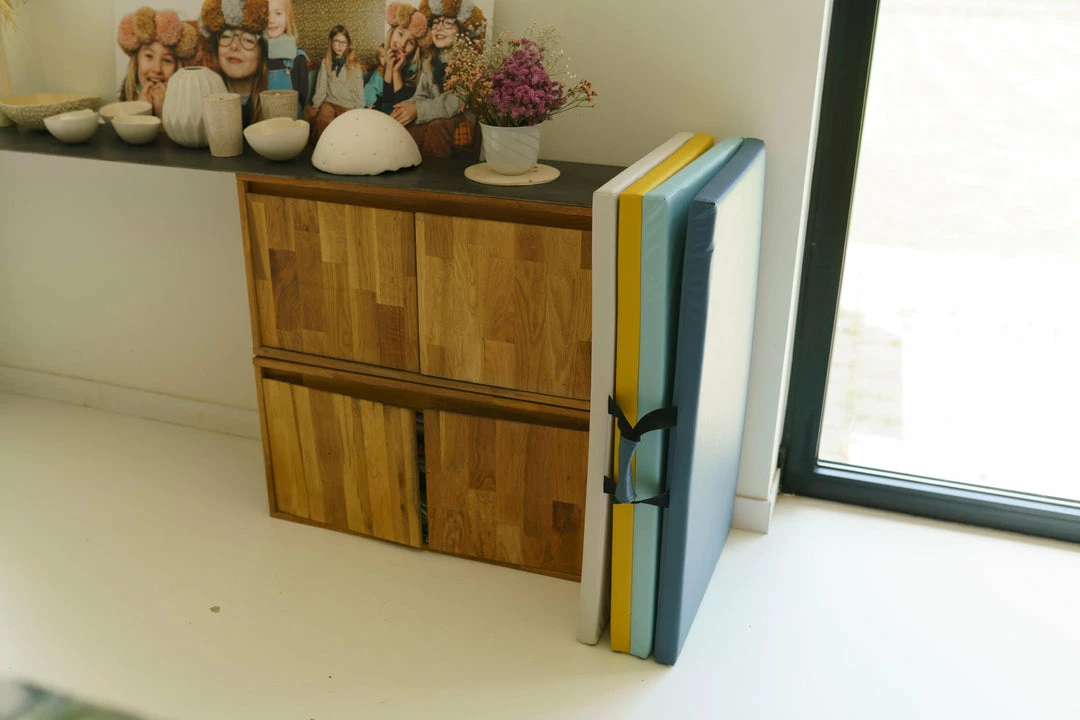
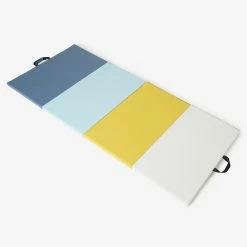
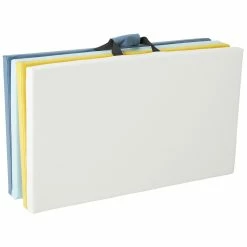
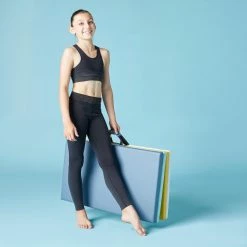
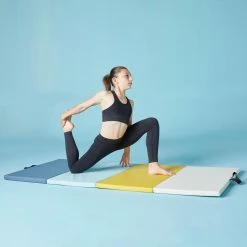
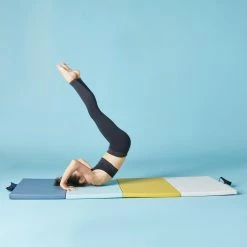
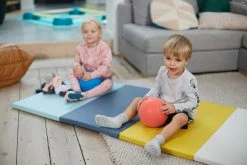
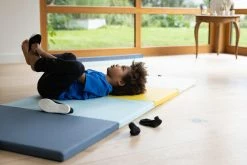
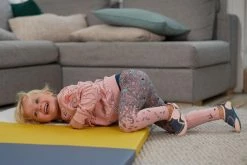
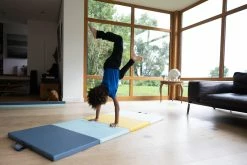
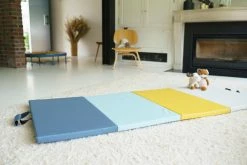
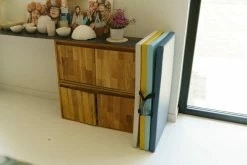
Collapsible, soft motor skills mat. It unfolds instantly to create a play area. Its neutral colors will coordinate with your decor (even living rooms that double as a play room).
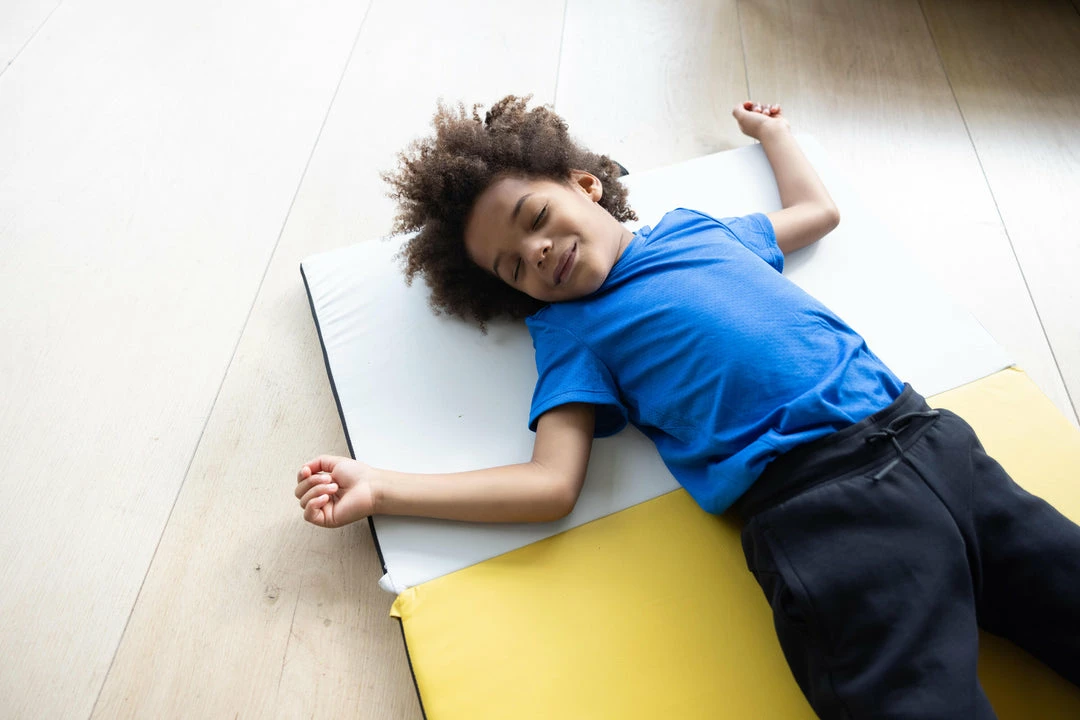
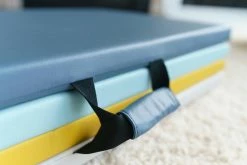
Soft, thick mat for rolling. Unfolds into 4 pieces to instantly create a space to refine motor skills.
Dimensions: 70.9″ x 30.7″ x 1.5″ thick.
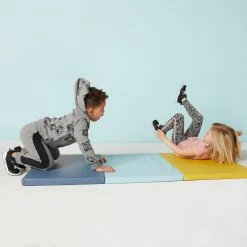
How does this mat encourage kids’ psychomotor development?
It enables kids to have enough sensory redundancy to boost their proprioception.
Proprioception is necessary to meet major milestones in psychomotor development.
This mat allows them to safely do these movements. In this way, this stimulating mat helps develop kids’ psychomotor development.
This product has been approved by a physiotherapist.
Stepping stones to dynamic balance
Kids under the age of 4 must learn how to control their body and move in any given direction by slowly waddling forward on 2 feet.
At 4 years old, kids can walk, putting one foot in front of the other, on a path measuring one and a half times the width of their feet.
At 6 years old, kids can walk with one foot directly in front of the other, heel to toe, on a path as wide as their foot.
Psychomotor development:
Kids’ psychomotor development is dependent on genetic, motor, and psychological factors.
A product can impact their psychomotor development if it targets their motor development.
Motor development has several major components: body schema, dynamic coordination, balance, hand-eye coordination, fine motor skills, and time and space awareness.
Body schema
The body schema is a representation of how kids view their bodies. It gives them refined control of their movements, a perception of their body, and, more generally, self-awareness. It is built around experiences and actions (“body feels, body moves”) before being represented and discussed (“body represented,” draw-a-person test).
Every time kids move, they refine their body schema and increase their chances of moving better in the future.
Hand-eye coordination
Hand-eye coordination includes the actions that help us aim with all or part of their body. Youngsters develop this skill by mapping a path and then using their hands and feet to aim large objects at large targets. Then the objects and targets get smaller and smaller until they have excellent finger isolation: piano-playing, beading, writing.
Time and space awareness
Time and space awareness includes everything that marks a kid’s place in time (before/after, rhythmic activities, day/night, season, etc.) and space (front/behind, over/under, right/left, etc.).
| Color | Blue Gray |
|---|---|
| Size | One Size |
Be the first to review “Budget 💯 Domyos Baby Gym Motor Skills Mat Exercise & Fitness Apparel 😀”
Related products
Exercise & Fitness Apparel
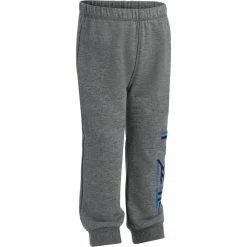
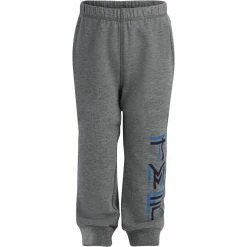
Cheap 👏 Domyos Exercise & Fitness Apparel Baby Gym Bottoms 120 💯
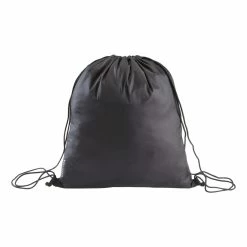
Exercise & Fitness Apparel
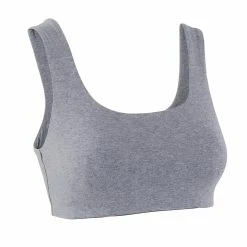
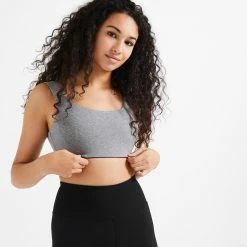
Exercise & Fitness Apparel
Top 10 😍 Domyos Exercise & Fitness Apparel Padded Light Support Fitness Bra 😍


Weight Training Gear
Best deal 💯 Weight Training Gear Nyamba, Hand-free Soft Dumbbells, 2 X 250 G To 1 Kg ✨


Exercise & Fitness Apparel
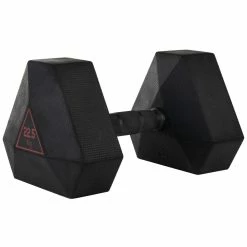
Weight Training Gear
Coupon ⭐ Corength Domyos Weight Training Hex Dumbbell 50 Lbs Weight Training Gear ⌛
Exercise & Fitness Apparel
Exercise & Fitness Apparel
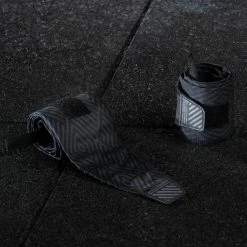
New 👍 Domyos Cross-Training Wrist Wraps Exercise & Fitness Apparel 🎁
Reviews
There are no reviews yet.